Blog
Mould on ceiling
Mould on the ceiling is a common and frustrating problem. You often see mould on the ceiling in bathrooms, but it also frequently occurs in bedrooms. In this blog, we cover several topics.
- The main causes of mould on the ceiling
- Possible consequences of mould
- Solving the mould problem yourself
- Having mould professionally removed
Causes of mould on the ceiling
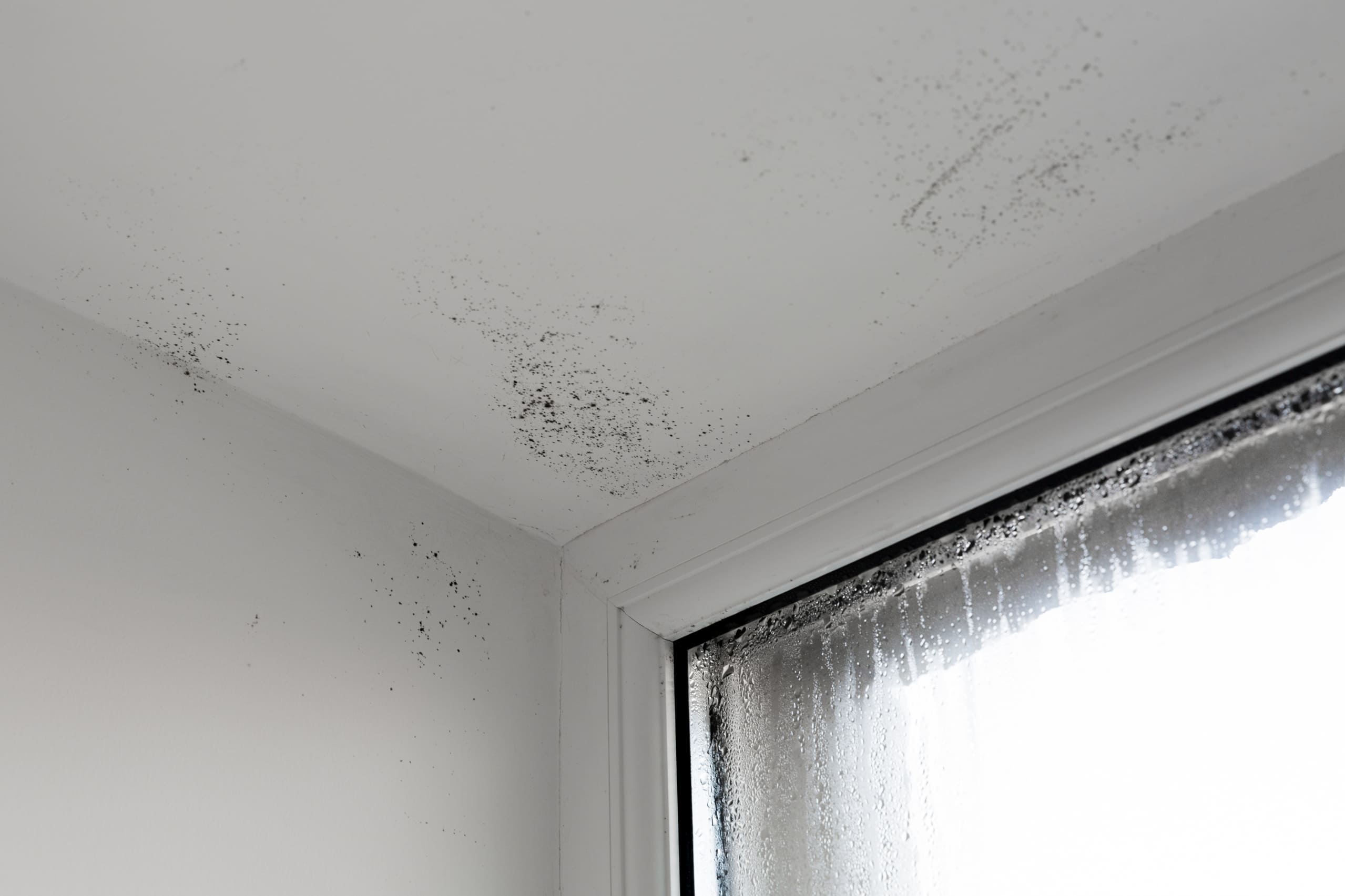
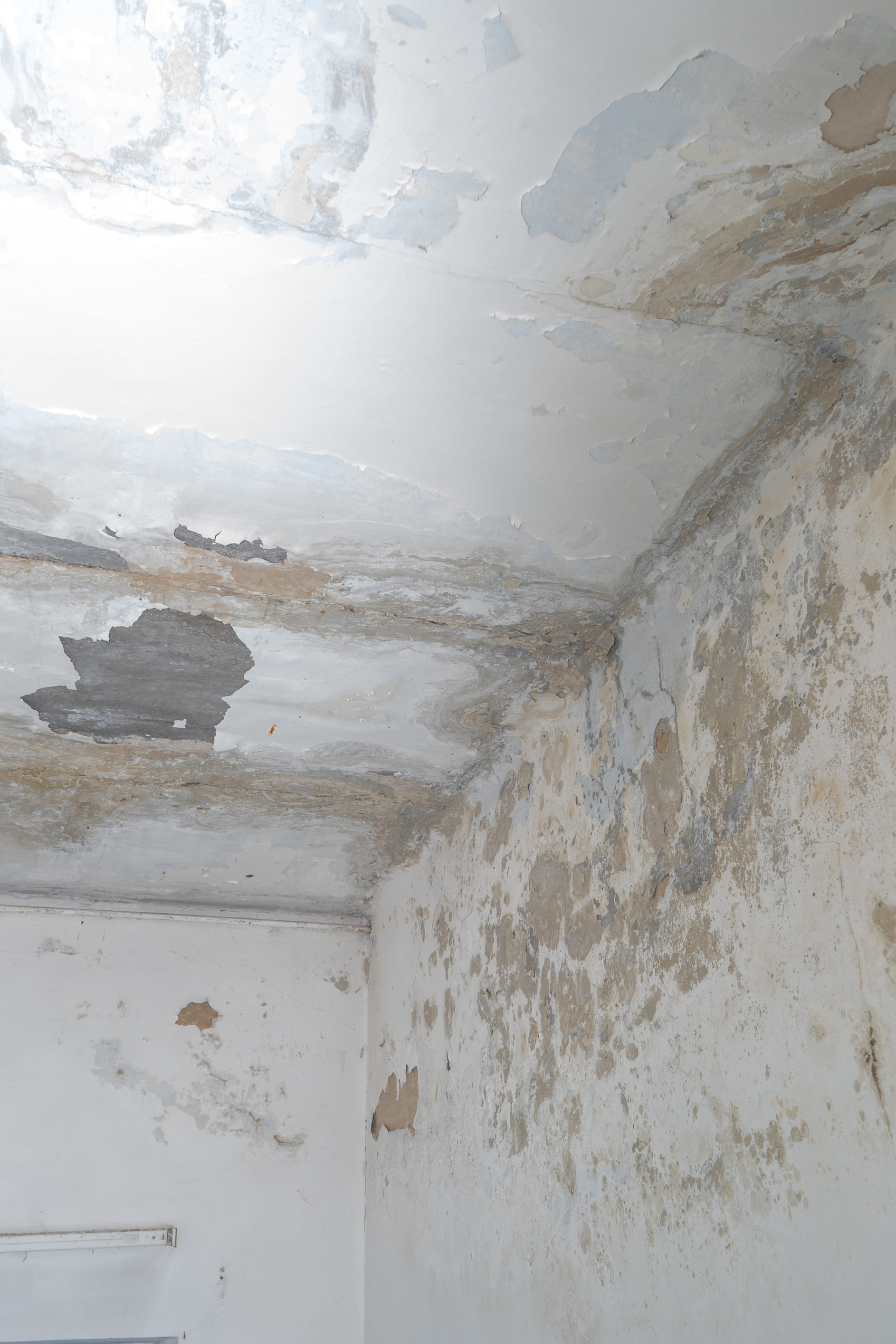
Mould is often recognised by dark spots or rings on the ceiling. These are usually green, black or brown in colour. There are different types of mould, ranging from a powdery texture to a slimy appearance. Another way to recognise mould is by the musty smell in the room where it is present on the ceiling.
Mould thrives in damp environments. That’s why ceilings in bathrooms are usually the first place where mould develops. Spaces where a leak has occurred are also more prone to mould growth. The most common causes of mould are:
- Poor ventilation: When there is insufficient ventilation in the home, mould spores cannot easily escape. This allows mould to settle. Bathrooms, kitchens and laundry rooms are areas where mould often occurs.
- As a result of leaks: After a leak, moisture often lingers. Damp areas are ideal for mould growth.
- Condensation: During the colder months, condensation can occur. This happens when warm air comes into contact with cooler surfaces, such as ceilings.
- High humidity in the home: Rooms with high humidity, such as bathrooms, also provide an ideal breeding ground for mould.
Want to remove mould immediately? We always respond within 24 hours.
Request a free quote now or call: +44 1332 480537
Consequences of mould on the ceiling
Mould on the ceiling is not only a visual problem. It can also lead to various other issues.
- Health problems: Mould can lead to various health issues and physical symptoms.
- Structural damage: Once mould remains in a certain area for a long time, it can cause structural damage. Even after you have removed it yourself, the source is not always tackled. This can ultimately affect the condition of your home.
- Air quality issues: Mould leaves behind spores. These end up in the indoor air, which lowers air quality
Removing mould from the ceiling yourself
Preventing mould on the ceiling is better than having to deal with it later. We have some tips for preventing mould.
Ventilating is one of the easiest things you can do. This prevents mould from settling in certain areas.
However, if you are already dealing with mould, there are many options to remove it, such as using a mould cleaner. These products, however, only remove the surface mould. They do not tackle the source. This increases the chance that the mould will return.
Call in a specialist!
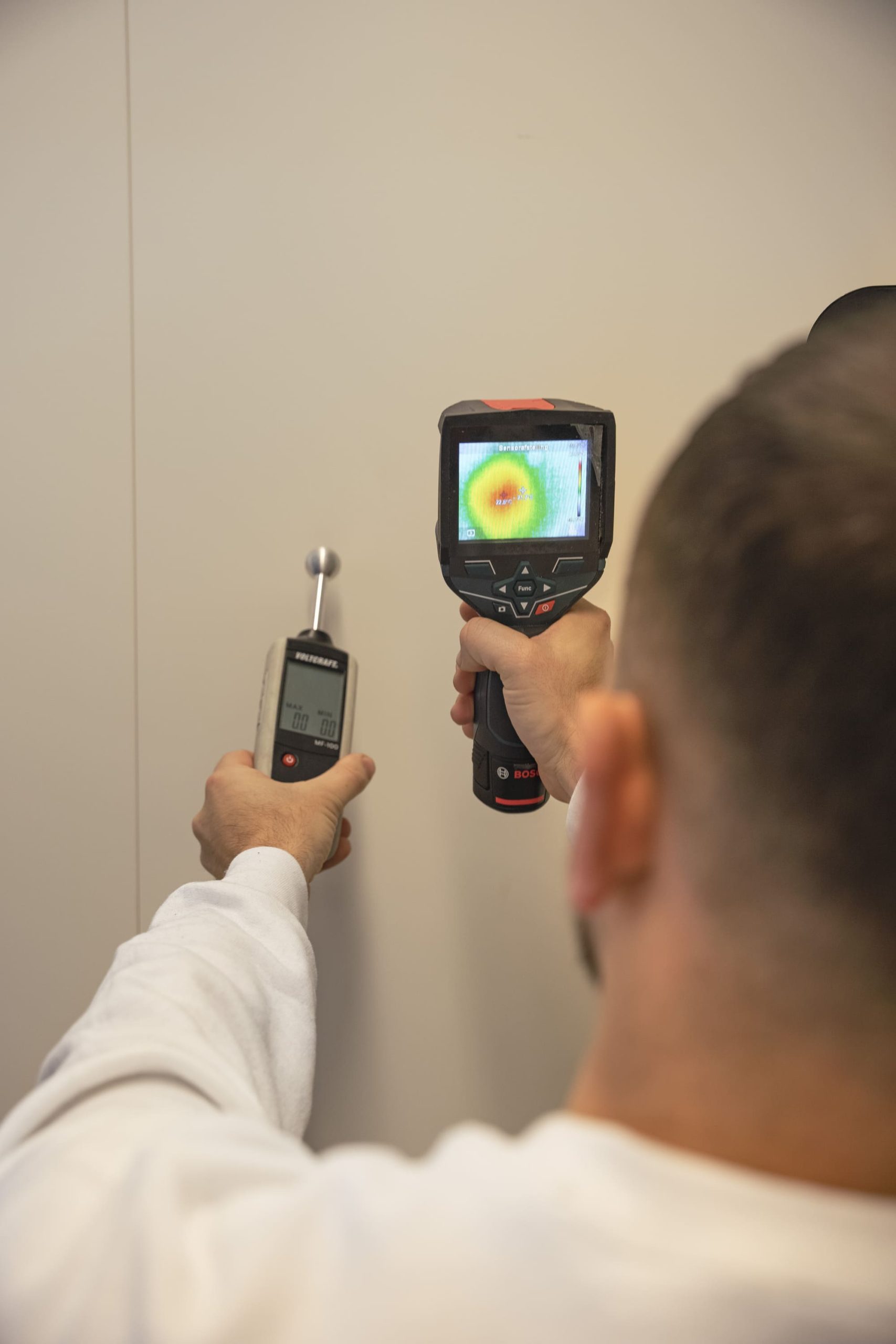
Removing mould from your ceiling yourself is often a short-term solution. As mentioned above, this does not address the root cause and in many cases, the mould comes back. To completely get rid of your mould problem, it is wise to call in a mould expert. With a mould inspection by Intra-Air UK, we investigate the source, the type of mould, and from there apply a treatment to prevent future mould growth.
Want to remove mould immediately? We always respond within 24 hours.
Request a free quote now or call: +44 1332 480537