Blog
Moisture In The House
Moisture In The House
Damp problems in your home often develop gradually, without you noticing them immediately. They start with a musty smell or some condensation on the windows. This can develop into persistent mould, wall damage, and even health problems. In this blog post, you’ll learn how to recognize damp, where it can come from, what the consequences are, and how to effectively address the problem.
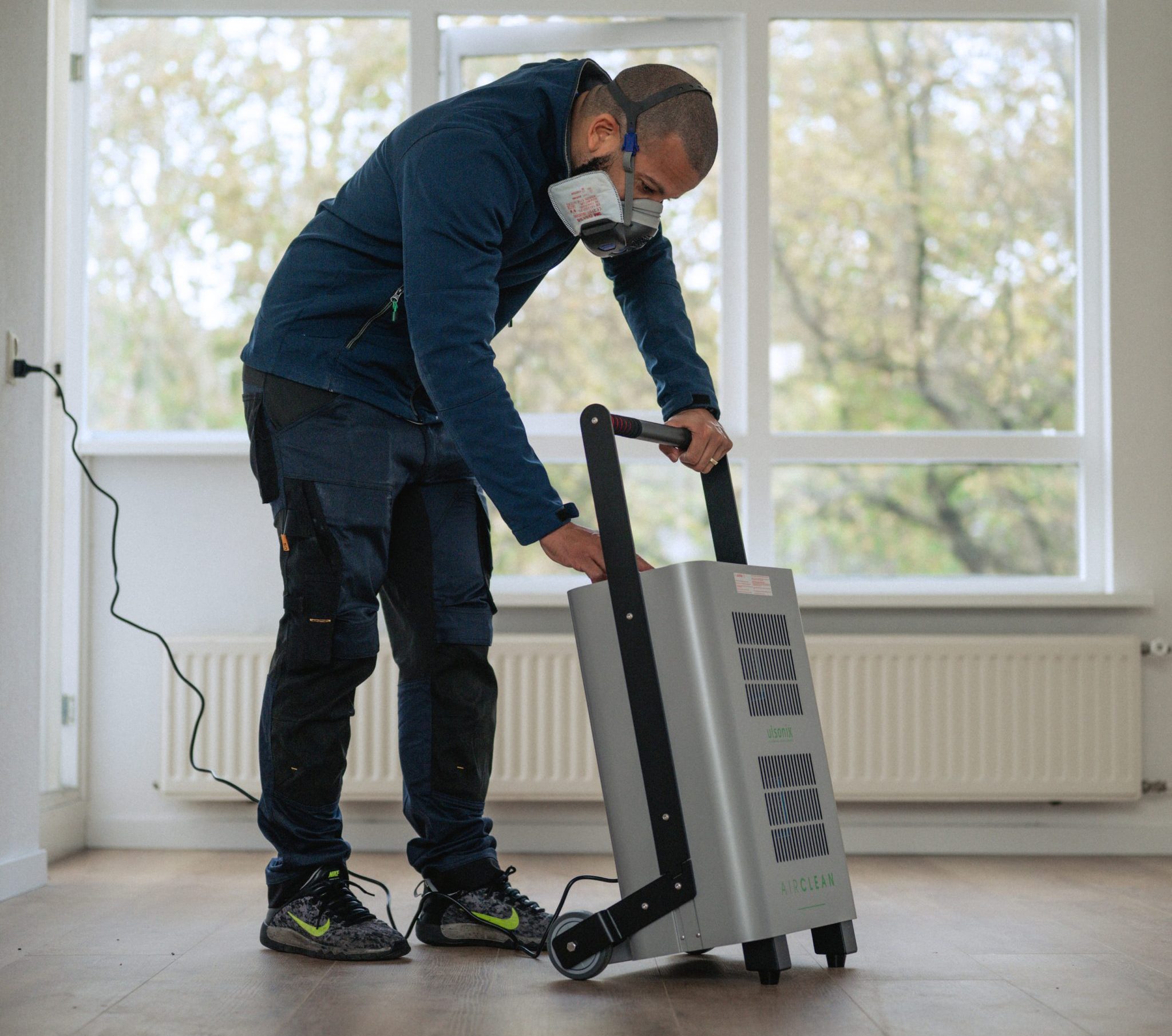
How do you recognize moisture in your home?
A damp problem can be recognized by various symptoms. These include discoloration on walls or ceilings, peeling wallpaper, or a persistent, damp air. An unexplained musty odour or visible mould patches are also clear signs. Physical complaints such as coughing, shortness of breath, or worsening asthma can even be the result of an unhealthy indoor climate.
Would you like more information or a quote? You can reach us by phone at: 01332 480537
Possible causes of moisture in the home
The cause of damp in the home isn’t always immediately apparent. Sometimes it’s due to inadequate ventilation, which causes moisture from cooking or showering to accumulate. There are also other cases where rising damp plays a role. This involves water rising from the crawl space into the neighbors’ house. Leaks, thermal bridges, or poorly insulated exterior walls can also contribute to the damp problem. In new-build homes, we sometimes also see construction moisture that has yet to evaporate.
Types of moisture in the home
Moisture problems can be divided into 4 main types:
- Condensation: Caused by daily use of the home and persists due to insufficient ventilation.
- Rising damp: It enters the walls through the foundation. This is especially common in older homes.
- Penetrating damp: Rainwater that seeps in through the facade
- Moisture leakage: Caused by, for example, a broken water pipe or a leaking roof
Each type of moisture problem requires a different approach, so a correct diagnosis is essential.
Consequences of moisture in the house
Persistent dampness in your home can lead to damage. Paint and plaster peel, wood rots, and furniture can become damaged. Mould also thrives in damp environments, which can negatively impact your health. Young children, the elderly, and people with respiratory problems are particularly susceptible to these conditions.
What can you do yourself about damp in your home?
A few simple adjustments can make a big difference. Ensure good ventilation daily by opening windows or using ventilation grilles. Use a good extractor hood while cooking and air out the bathroom after showering. Dry your laundry outside or in a well-ventilated area, and keep furniture slightly away from the wall for better air circulation. Detecting and repairing leaks promptly also helps prevent moisture problems.