Blog
How to stop mould around windows?
How to stop mould around windows?
Mould around windows is one of the most common problems in residential and commercial properties. It often appears as black or dark patches along window frames, silicone seals, or surrounding plaster. While it may seem minor at first, recurring mould can damage surfaces and affect indoor air quality. Windows are especially vulnerable because they are cold surfaces where condensation forms easily. When warm indoor air meets cold glass, moisture develops. If that moisture is not controlled, mould spores will settle and grow.
Below, we explain how to remove mould safely and how to prevent it from returning, especially during colder months.
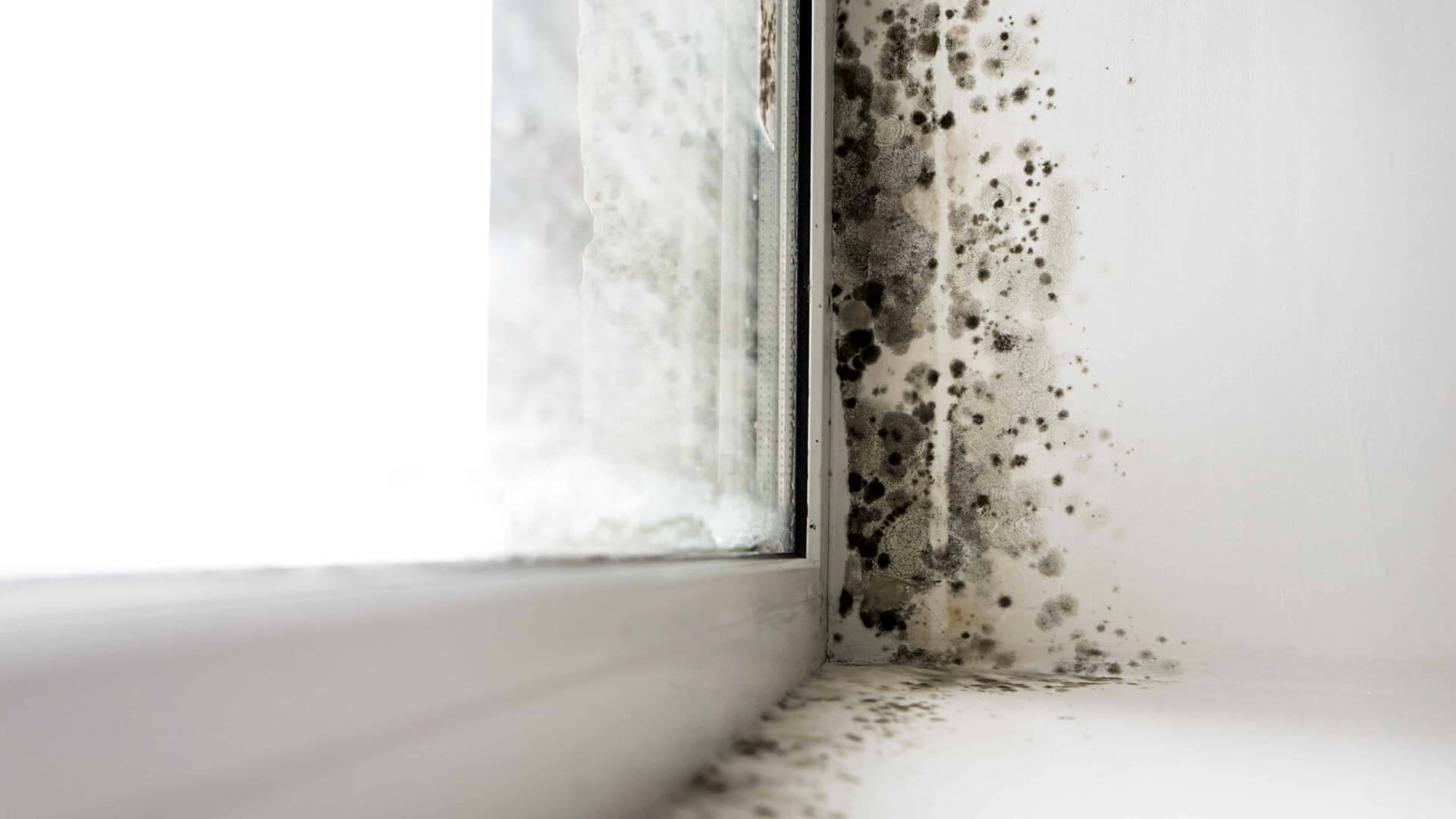
How do you remove mould safely?
Safety should always come first when dealing with mould. Even small patches release spores into the air when disturbed, which can irritate the respiratory system and skin.
Wear protective gloves and a suitable mask before starting. Make sure the room is ventilated by opening windows to reduce airborne spores. Avoid wiping mould away with a dry cloth, as this spreads contamination.
Use a professional mould removal solution designed to kill spores at the root. Standard household bleach may reduce staining, but it does not always eliminate deeper growth, especially on porous materials such as sealant or plaster. Apply the treatment thoroughly and allow it to sit according to the manufacturer instructions. Gently scrub along window seals and corners where mould often develops. Wipe away residue with a damp cloth and dispose of cleaning materials carefully.
Allow the surface to dry completely before repainting or resealing. If silicone seals are heavily contaminated, replacing them may be the most effective solution. In more severe cases, damaged plaster or trim may need to be repaired.
Proper removal is essential, but prevention is what keeps mould from returning.
What is the most effective way to prevent mould?
The most effective way to prevent mould around windows is to control condensation and manage indoor humidity.
Mould thrives in damp conditions. Windows naturally attract condensation because glass surfaces are colder than surrounding walls. When warm air carrying moisture touches cold glass, water droplets form. If this moisture remains on frames and seals, mould growth follows.
Improving ventilation is crucial. Use extractor fans in kitchens and bathrooms during cooking or showering and leave them running briefly afterwards. Ensure trickle vents remain open and unobstructed.
Maintain a consistent indoor temperature to prevent cold surfaces. Sudden temperature drops increase condensation risk. A steady background heat reduces moisture build up on windows.
A dehumidifier can help in rooms where humidity levels remain high. Ideally, indoor humidity should stay between 40 and 60 percent. Monitoring levels with a hygrometer provides early warning signs before mould develops.
Specialist anti condensation coatings or mould resistant paints can also provide additional protection around window reveals once surfaces are dry.
Moisture control is always the foundation of prevention.
How do I keep my windows mould free during winter?
Winter increases the risk of mould growth around windows. Lower outdoor temperatures cause glass surfaces to become colder, which leads to heavier condensation indoors.
Ventilate daily, even in cold weather. Opening windows for short periods allows fresh air exchange without significantly cooling the property. Brief ventilation is more effective than leaving windows slightly open all day.
Wipe away condensation from glass and frames each morning. Removing moisture quickly prevents it from soaking into seals or surrounding plaster.
Avoid drying clothes indoors near windows, as this significantly raises humidity levels. If indoor drying is necessary, use a dehumidifier and increase ventilation.
Keep curtains and blinds open during the day to allow warm air to circulate across the window surface. Trapped air behind heavy curtains creates cold zones where condensation forms.
Consistent heating combined with proper airflow is the key to winter mould prevention.
Remaining mould free windows
Maintaining mould free windows requires consistent attention and practical adjustments throughout the year.
Inspect window frames and seals regularly for early signs of moisture buildup. Address small issues before they develop into larger mould problems.
Ensure ventilation systems function properly and are used consistently. Do not block air vents with furniture or curtains.
Leave a small gap between furniture and external walls to promote airflow. Restricted air movement near windows creates cold spots and encourages condensation.
In older properties, upgrading to modern double or triple glazing can significantly reduce condensation issues by improving thermal performance.
Finally, monitor indoor humidity levels regularly. Staying within the recommended range prevents the conditions that allow mould to grow.
Stopping mould around windows is not about one time cleaning. It requires ongoing moisture management, proper ventilation, and preventative maintenance. When these measures are followed carefully, windows can remain clean, healthy, and mould free all year round.
<strong>Want to remove mould immediatley? We always respond in 24 hours. </strong>
Request a free quote now or call:<a href=”tel:+44 1332 480537″> +44 1332 480537 </a>