Indoor Air Quality Testing in Derby and the Midlands
Poor indoor air quality is more common than you think. Moisture, CO2, chemicals from furniture and fine dust can build up unseen, affecting your health, sleep and comfort. We measure what’s really in your air and tell you exactly what to do about it.
Speak to a specialist today
We will be in touch within the hour during business hours. No obligation whatsoever.
What we test
What is an Indoor Air Quality Assessment?
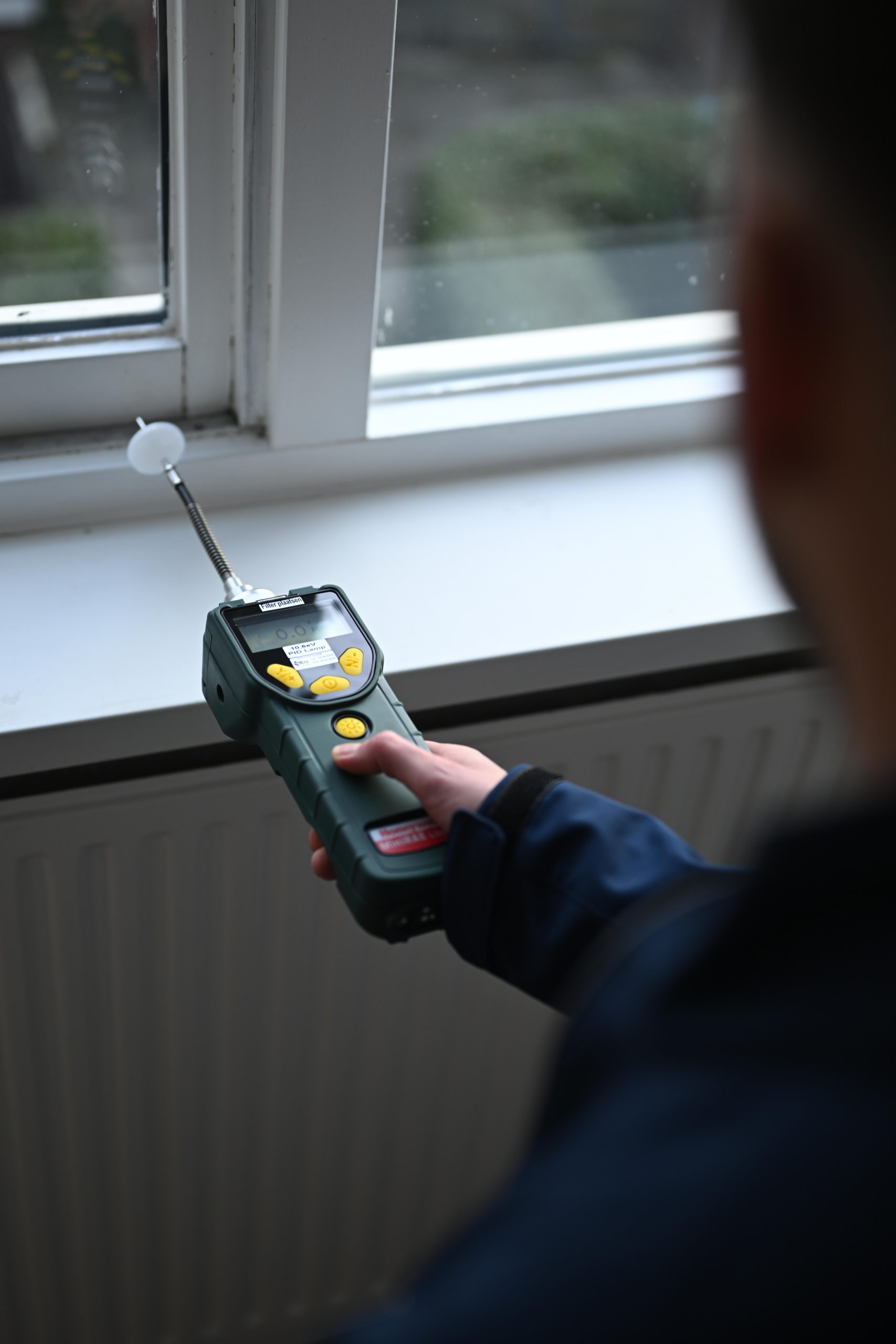
An indoor air quality assessment is a professional investigation of the air inside your home or building. Using calibrated measuring equipment, we test the things that affect your health and comfort: carbon dioxide (CO2), volatile organic compounds (VOCs) including formaldehyde, fine dust, humidity, moisture in the building fabric, temperature and airborne mould spores (analysed by an independent laboratory), plus gases such as carbon monoxide, hydrogen sulphide, ammonia and combustible gases where needed.
It is not a visual inspection. We record real data, find the source of any problem and give you a clear written report with practical recommendations. You can book a full assessment, or a single test from the services below.
Signs you might need an assessment
You do not need to have visible mould or damp to benefit from an indoor air quality assessment. Many air quality issues are invisible. Here are some signs your home may have a problem:
Recurring condensation on windows or walls
Persistent musty or stale smells with no obvious cause
Family members experiencing unexplained respiratory symptoms, headaches or allergies
A property that has recently had flooding, water damage or building work
A home that feels stuffy or uncomfortable despite adequate heating
You want peace of mind that your home environment is genuinely healthy
A chemical or "new" smell after new furniture, flooring or decorating
Rooms that stay cold or draughty however much you heat them
Home Air Quality Testing
Your home should be the healthiest place you spend time, but most people have never had the air inside it tested. A home air quality test gives you a complete picture of what you and your family are breathing.
We place professional monitors in the main living areas and bedrooms, recording for anything from a few hours to several days, and take readings for CO2, VOCs, formaldehyde, fine dust (PM2.5 and PM10), humidity and temperature. Where mould is suspected, we also take air samples for mould spores. Readings are compared against recognised health guidelines, so you know exactly where your home stands.
Who books a home air quality test?
- Families with a new baby, or anyone with asthma, allergies or a weak immune system
- People who feel unwell at home and better when they’re away
- New-build owners and anyone who has just renovated or redecorated
- Buyers and tenants who want peace of mind before moving in
- Landlords who need documented evidence of a healthy property
CO2 Testing: Is Your Home or Workplace Well Ventilated?
Carbon dioxide (CO2) is the best indicator of whether a room is getting enough fresh air. Every time we breathe out, CO2 builds up. Outdoors it sits at around 420 ppm (parts per million). In a closed bedroom or busy office it can climb well above 1,500 ppm, and that is when people start to notice stuffiness, headaches, tiredness, poor sleep and difficulty concentrating.
The Health and Safety Executive (HSE) says CO2 levels consistently above 1,500 ppm in an occupied room indicate poor ventilation, and uses 1,000 ppm as a benchmark for adequate fresh air. High CO2 usually goes hand in hand with high humidity, condensation and mould, because the same stale air is trapping moisture. In homes, we recommend keeping CO2 below 800 ppm wherever possible.
How we test CO2
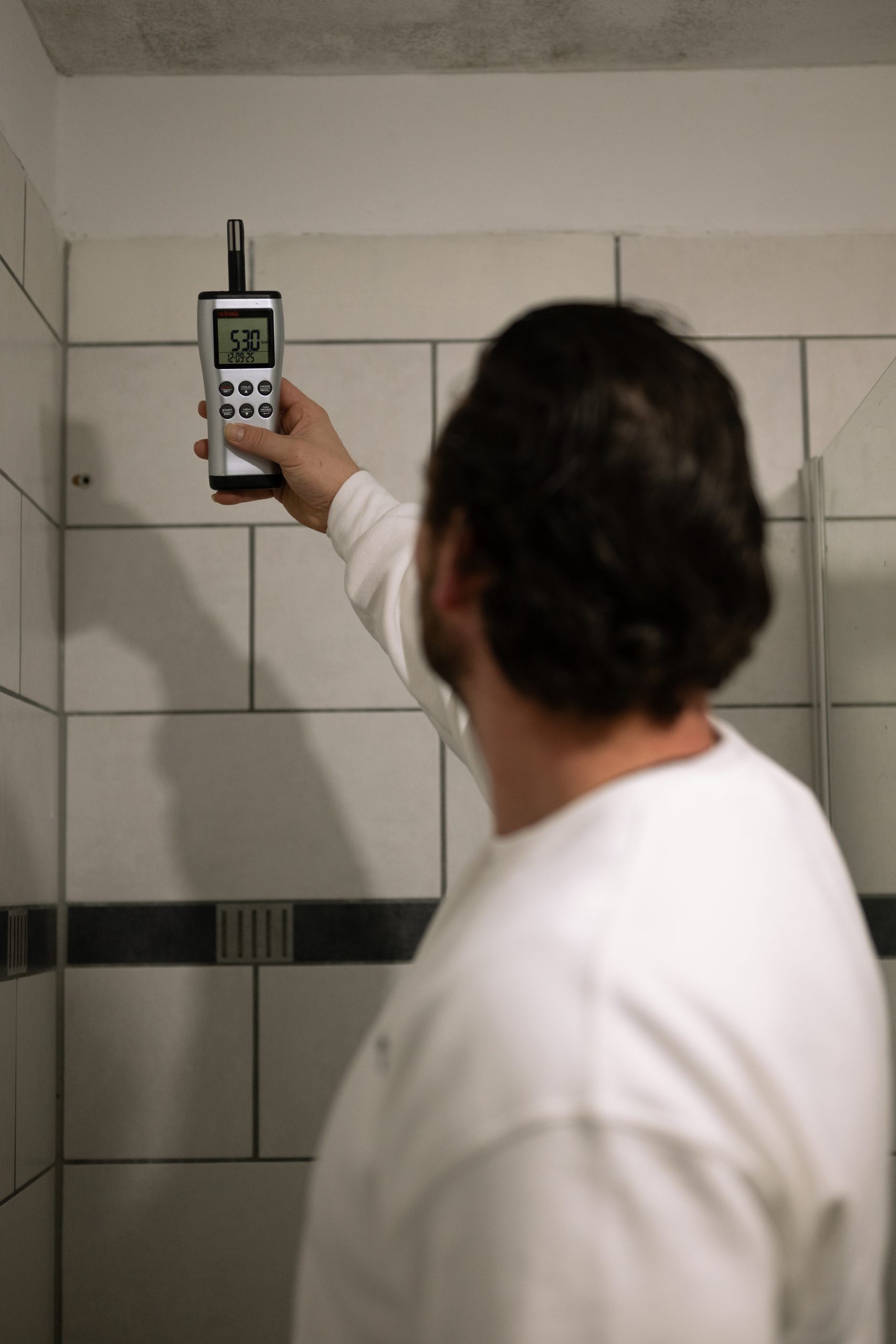
We use data loggers that record CO2, temperature and humidity every few minutes, usually over 24 hours to 7 days. That shows exactly when levels peak (often overnight in bedrooms, or mid-afternoon in offices) and how well your current ventilation copes.
What you get
A clear report with graphs of your CO2 levels, what they mean, and practical fixes, from simple changes to how you use trickle vents and extractor fans to ventilation solutions such as positive input ventilation.
VOC and Formaldehyde Testing
Volatile organic compounds (VOCs) are chemicals released into the air from everyday products. Formaldehyde is one of the most common. They come from new furniture (especially MDF and chipboard), laminate flooring, carpets, curtains and textiles, older urea-formaldehyde foam insulation, paints, varnishes, adhesives, cleaning products, air fresheners and scented candles. Levels are often highest in new-build homes and after renovation or decorating.
Short-term exposure can cause eye, nose and throat irritation, headaches and nausea. People with asthma or chemical sensitivity are often affected first. You can’t always smell VOCs, so testing is the only way to know.

How we test
We measure formaldehyde and total VOCs room by room with specialist meters, alongside humidity, temperature and ventilation, either as a one-off reading or as continuous monitoring over several days. That shows where levels are highest and when they peak. Where a detailed breakdown is needed, we take samples for laboratory analysis. Results are compared with World Health Organization guidance.
What you get
A written report showing the levels in each room, the likely sources and how to bring them down, whether that’s increasing ventilation, removing or sealing a source, or allowing new materials to off-gas.
Fine Dust (PM2.5 and PM10) Testing
Fine dust, or particulate matter, is made up of tiny particles that float in the air. We measure three sizes: PM10, which reaches the upper airways; PM2.5, which travels deep into the lungs; and ultrafine PM1, small enough to pass into the bloodstream. The World Health Organization links long-term exposure to respiratory and heart conditions.
Indoors, the main sources are wood burners and open fires, cooking (especially frying and gas hobs), candles, smoking, pets, building work and sanding, and pollution from busy roads drifting inside.
How we test
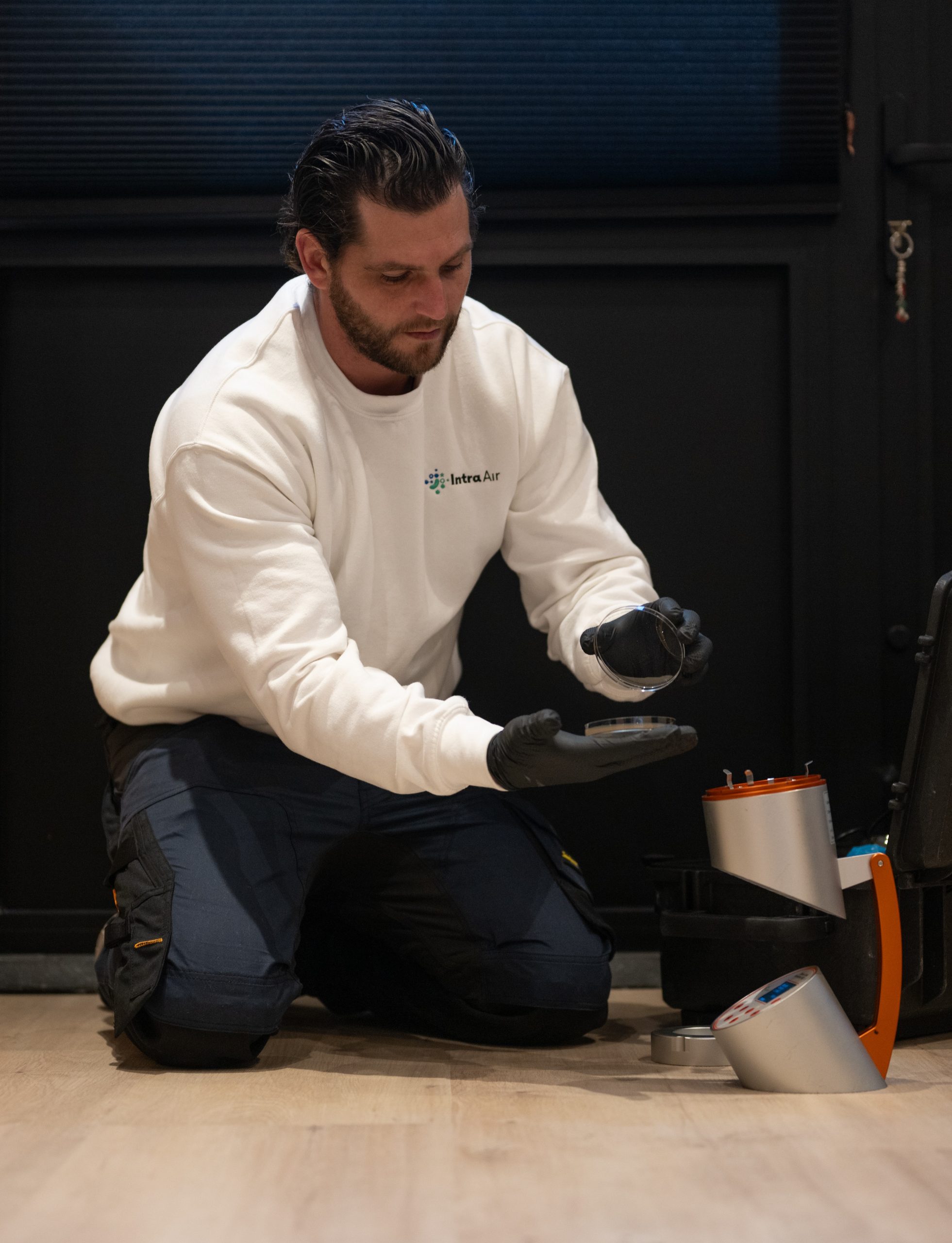
We use professional particle counters to measure PM2.5 and PM10 over time, inside and outside the property. Comparing the two shows whether the dust is being created indoors or coming in from outside, and which activities cause the peaks.
What you get
A report with your readings compared to World Health Organization guidelines, the sources we identified and practical steps to reduce them, such as better extraction, air filtration or changes to how a stove is used.
When fine dust testing is worthwhile
- You live near a busy road, railway, airport or industrial site
- You use a wood burner, open fire or candles regularly, or cook without good extraction
- Someone in the home has breathing problems with no clear cause
- You’ve recently renovated, sanded or decorated
- You want to check whether an air purifier or ventilation system is actually working
- Babies, older people or anyone vulnerable spends a lot of time in the room

Humidity and Moisture Measurement
Too much moisture is the root cause of most mould, condensation and musty smells. Indoor humidity is generally best kept between 40% and 60%. When it stays above 60%, condensation forms on cold surfaces, mould grows and dust mites thrive. Moisture can also be trapped inside walls and floors, out of sight.
How we measure
- Humidity and temperature logging over several days to see how moisture builds up with cooking, showers, drying clothes and overnight
- Moisture meters to check walls, floors and ceilings for hidden damp
- Surface temperature and dew point readings to show exactly where condensation, and therefore mould, will form
What you get
A clear explanation of where the moisture is coming from, whether it’s condensation, rising damp, penetrating damp or a leak, and what will fix it. If we find mould or damp, see our mould inspection and damp assessment services.

Thermal Imaging and Draught Surveys
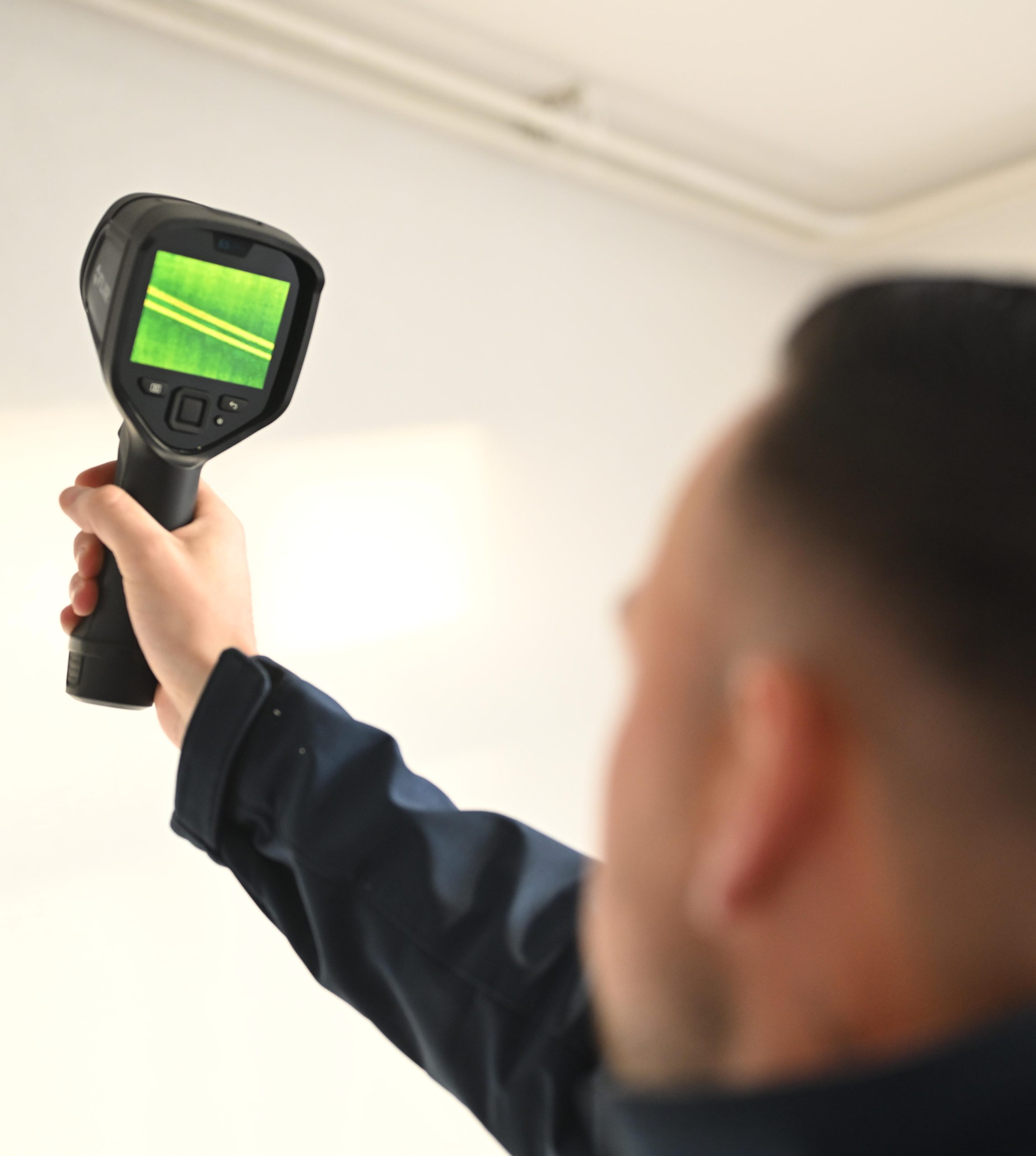
A thermal imaging survey shows what you can’t see with the naked eye. Our thermal camera picks up temperature differences across walls, ceilings, floors, windows and doors, revealing cold spots, missing or damaged insulation, thermal bridging, hidden leaks and the draughts that make a room feel cold.
Cold spots matter for more than comfort and heating bills. They are where condensation forms and mould grows, which is why a thermal survey is often the missing piece when mould keeps coming back.
Finding draughts
We combine temperature measurements in each room, thermal imaging and smoke testing to trace exactly where cold air is getting in: around windows and doors, skirting boards, floorboards, loft hatches, pipework and service openings. You’ll know precisely what to seal, rather than guessing.
When to book
Thermal imaging works best when it’s colder outside than inside, so autumn and winter are the ideal time.
What you get
A report with annotated thermal images showing each problem area, what’s causing it and the recommended fix.
Book a thermal imaging survey
What does the assessment involve?
Our specialist visits your property and carries out a comprehensive measurement of your indoor environment. This typically takes between two and three hours. We use professional equipment to measure: Moisture levels in walls, floors and ceilings. Relative humidity throughout the property. CO2 levels as an indicator of ventilation quality. Mould spore concentrations in the air. Temperature differentials that can indicate condensation risk. Following the visit, we produce a clear written report summarising our findings, explaining what they mean in plain language, and setting out the recommended next steps. We walk you through the report and make sure you understand exactly what is happening and what to do about it.
How our assessment works
- Understanding your situation: we talk through the problems you’re noticing and what you want to improve, then plan the visit around your property.
- On-site measurements: we place monitors and take readings where problems are most likely, including air samples for mould spores where needed, analysed by an independent laboratory.
- Inspection: we check ventilation, moisture and building materials, using thermal imaging and moisture meters to find hidden damp and cold spots.
- Report and recommendations: within 5 to 7 working days, you receive a clear report by email with your results, what they mean and practical recommendations.
- Putting it right (optional): if you’d like, we help carry out the recommended work and check that it has solved the problem.
Why choose Intra Air?
We do not guess. Every recommendation we make is based on measurement and evidence, not visual inspection alone. Our approach is thorough, transparent and entirely focused on giving you the information you need to make good decisions about your home. Backed by over 10 years of expertise through our European partners, we bring a level of technical knowledge and professional discipline that is rare in the UK market. We will always be honest with you. If there is a problem, we will tell you clearly. If there is not, we will tell you that too.
- Professional measuring equipment, not guesswork
- Clear written report with plain-language recommendations
- Covering Derby, Nottingham, Leicester, Birmingham and the Midlands
Working with businesses? See our commercial services.
Landlords and Property Managers
Indoor air quality assessments are increasingly relevant for landlords under the Homes (Fitness for Human Habitation) Act and the emerging obligations under Awaab’s Law. If tenants are reporting health concerns, respiratory issues or persistent odours, an independent professional assessment provides you with documented evidence of the property’s condition and demonstrates that you have taken your obligations seriously. We work with letting agents and landlords across the Midlands to provide fast, professional assessments with full written reports you can keep on file.
What our customers say
“I never knew that we could employ a contractor to trace a smell, and what a difference it’s made. We can deal with the issue direct without having to try different things, well worth it.”
“We have had great support from Emeka and Reuben in identifying where an unpleasant odour has come from.From the moment of contacting them at Intra Air we found them really helpful and professional.They scheduled their visit around our needs and arrived on time with a real can do attitude. Both young men were extremely pleasant and courteous throughout.They carefully explained what they were going to do at each step and kept us informed of progress throughout. Their equipment was first rate and they were proficient in its use.”
“Called Intra Air out to take some air samples as we suspected we had a mould issue. They fitted us in and were very professional, the report they sent us was very through and helpful. They answered all our questions during and after taking the tests giving us good feedback and advice. All the staff were friendly, helpful and professional.”
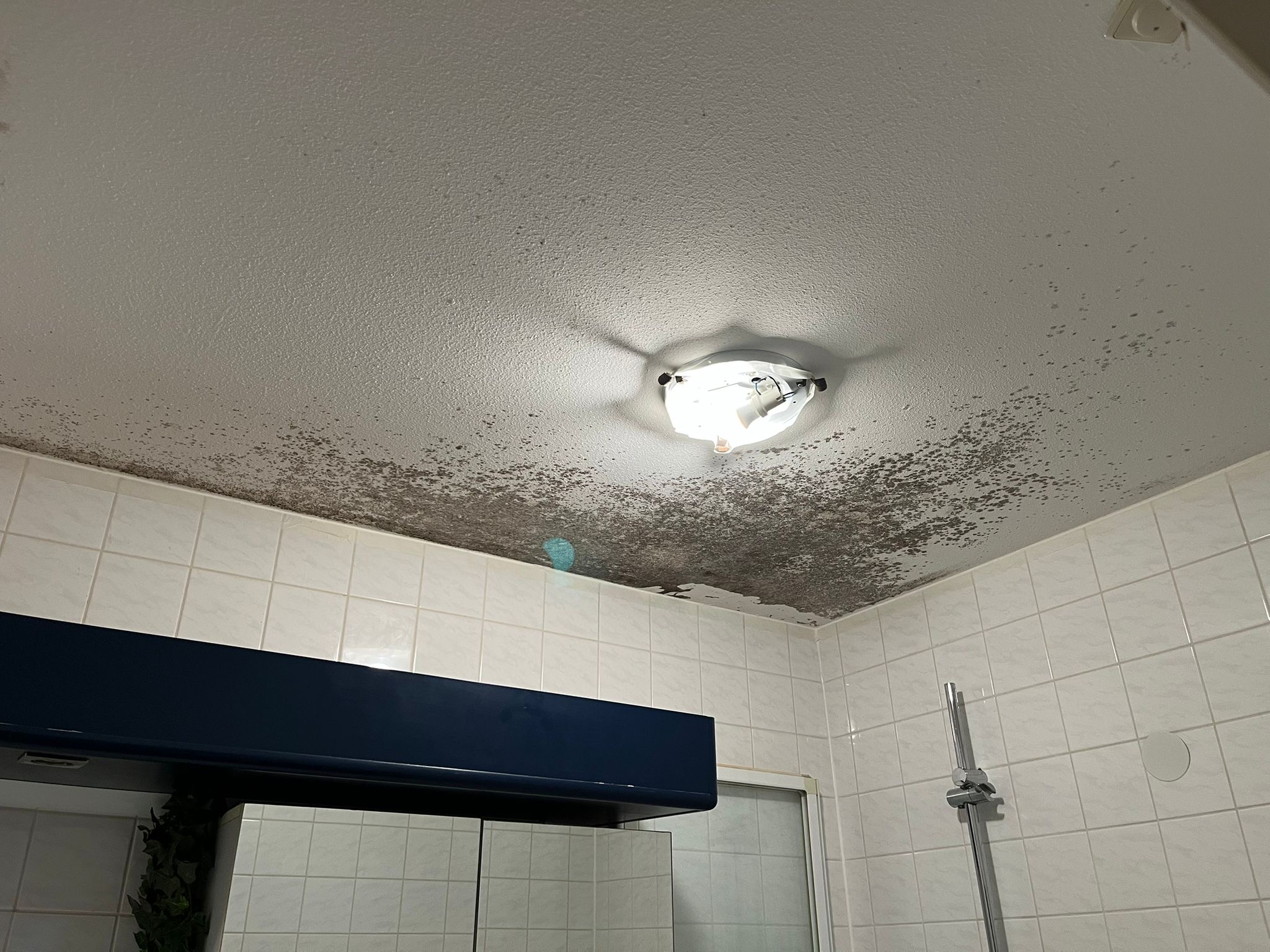
Before
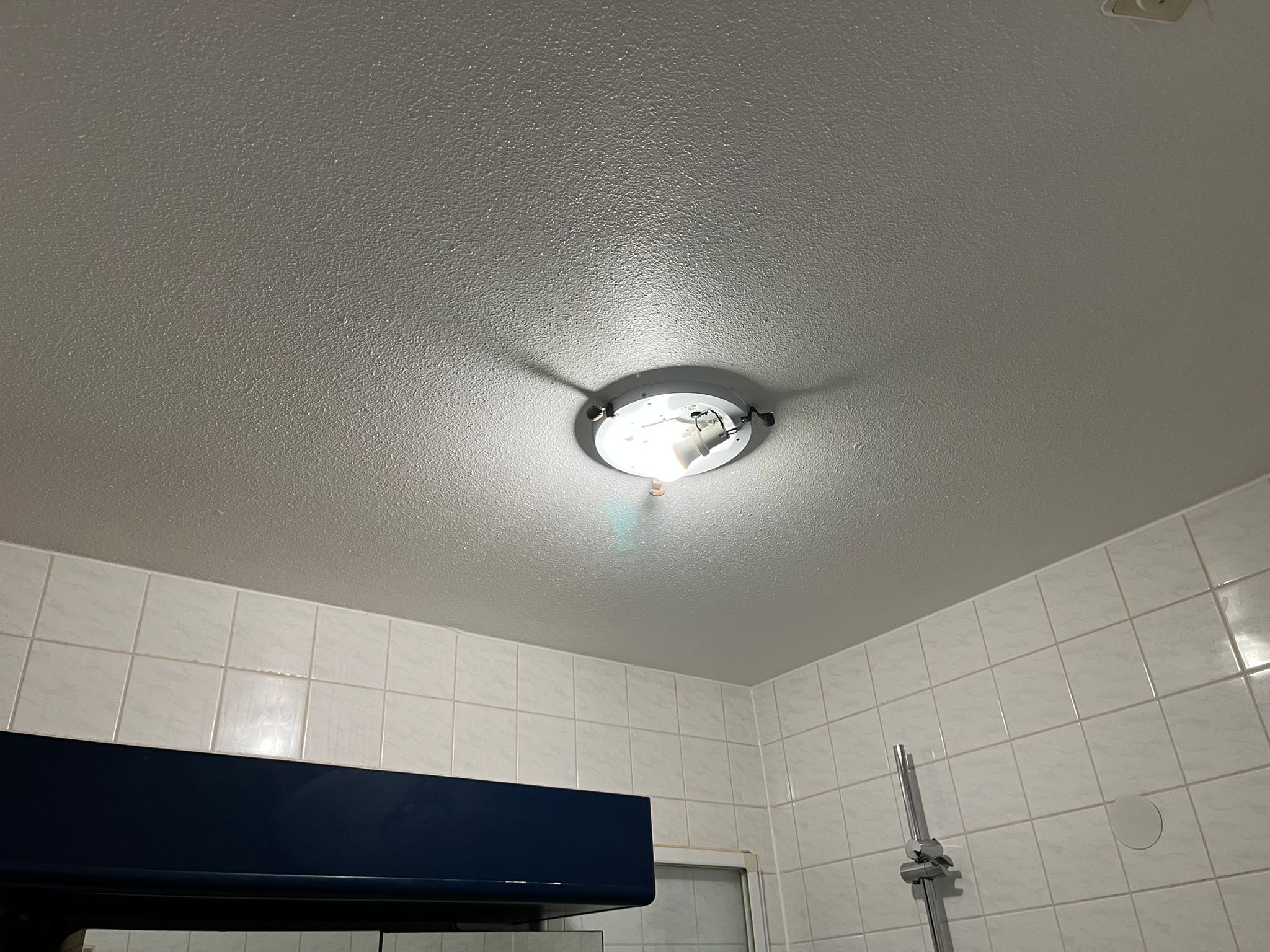
After
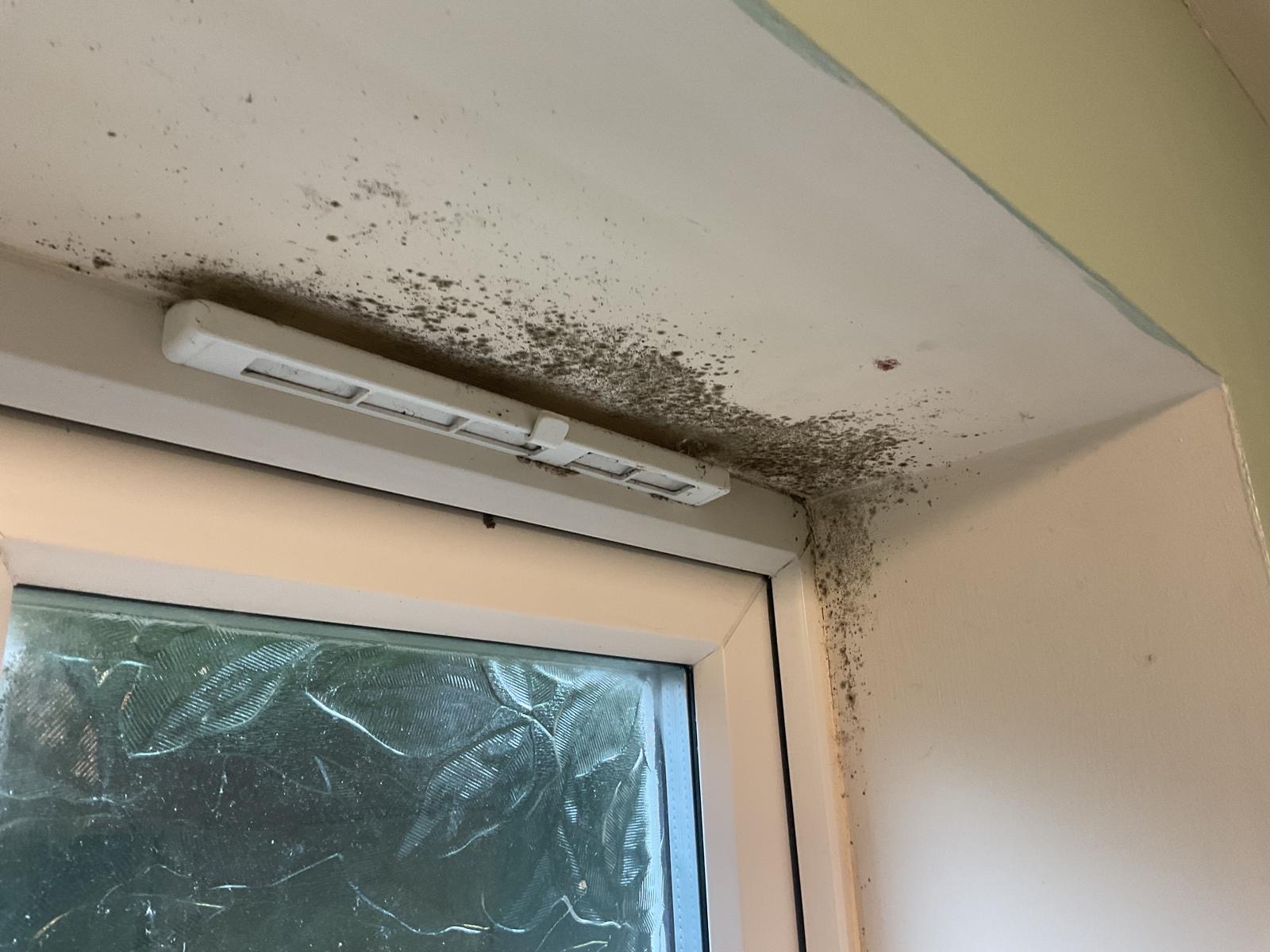
Before
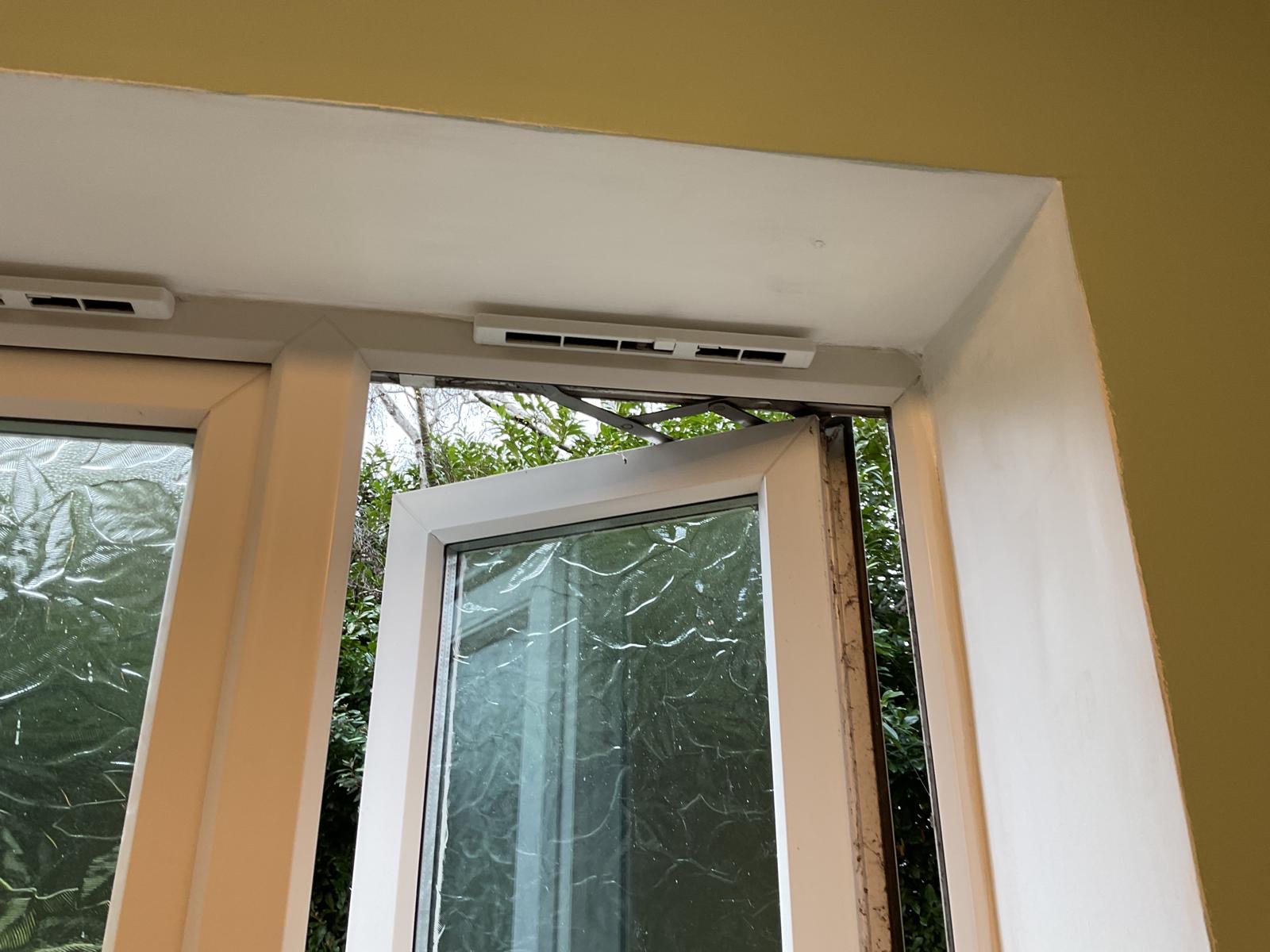
After
Before
After

Before
After
Frequently Asked Questions
Most assessments take between two and three hours depending on the size of the property. We will give you a clear timeframe when you book.
No special preparation is needed. Just ensure we can access all rooms including any loft spaces or basements where relevant. It helps if windows have been closed for a few hours beforehand to give us an accurate reading of the indoor environment.
Yes. Every assessment includes a clear written report summarising our findings and recommendations. We will talk you through it at the end of the visit and follow up if you have any questions afterwards.
We can measure CO2, VOCs, formaldehyde, fine dust (PM2.5 and PM10), humidity, temperature, moisture in walls and floors, airborne mould spores, and gases such as carbon monoxide, hydrogen sulphide and ammonia. We’ll recommend which tests are worthwhile based on what you’re experiencing.
It depends on the size of the property and which tests you need. A single test such as CO2 monitoring costs less than a full assessment. Get in touch and we’ll give you a clear, no-obligation quote.
Outdoor air is around 420 ppm. Indoors, the lower the better. The HSE uses 1,000 ppm as a benchmark for adequate fresh air and says levels consistently above 1,500 ppm in an occupied room indicate poor ventilation.
Between 40% and 60% relative humidity. Above 60% for long periods, condensation, mould and dust mites become likely.
It can contribute to headaches, tiredness, poor sleep, irritated eyes and throat, and breathing problems, and can make asthma and allergies worse. If you’re worried about symptoms, speak to your GP as well; our role is to find and fix the cause in the building.
Yes. Our VOC and formaldehyde testing is designed for exactly this, and is common after renovation or in new-build homes.
When it’s noticeably colder outside than inside, usually between October and March.
Derby, Burton, Nottingham, Leicester, Birmingham and across the Midlands.
Ready to solve the problem for good?
Whether it is mould, damp, odours, ventilation or air quality, we are here to help. Get in touch today and we will assess your situation, explain your options clearly, and give you a solution that lasts.