Blog
Awaab s Law: What It Means for Tenants, Landlords, and Indoor Air Quality
Awaab’s Law: What It Means for Tenants, Landlords, and Indoor Air Quality
Damp and mould in the home are not just cosmetic issues – they can have devastating consequences for health. Following the tragic death of two-year-old Awaab Ishak due to prolonged exposure to mould, new legislation known as Awaab’s Law has been introduced to protect tenants and hold landlords accountable.
In this blog, we explain what Awaab’s Law is, why it matters, and how moisture, mould, and poor indoor air quality must be addressed properly to comply with the law and safeguard health.
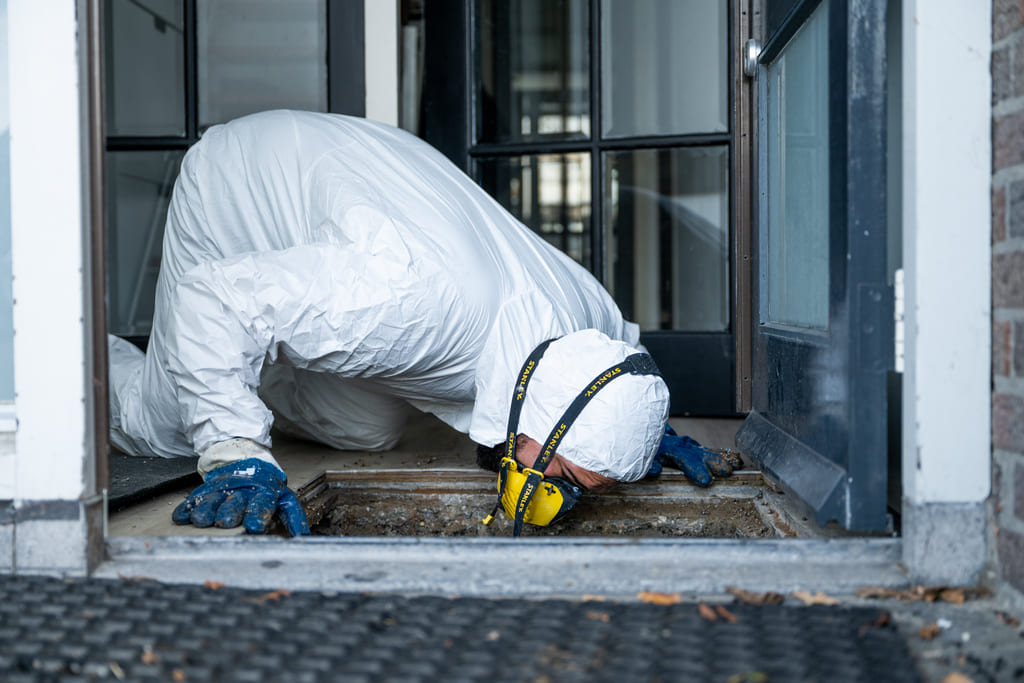
What is Awaab’s Law?
Awaab’s Law is a change to housing regulations in England that legally requires social landlords to investigate and fix damp and mould issues within strict timeframes.
The law ensures that hazardous conditions such as mould, excess moisture, and poor ventilation are no longer ignored or delayed.
Under Awaab’s Law, landlords must:
- Investigate reports of damp and mould promptly
- Identify the root cause, not just the visible damage
- Carry out repairs within defined time limits
- Take tenant health concerns seriously
This marks a major shift in how indoor environmental problems are managed in rented homes.
Why was Awaab’s Law introduced?
Awaab’s Law was introduced after it became clear that mould exposure can be life-threatening, particularly for children, the elderly, and people with respiratory conditions.
For years, tenants reported damp and mould issues that were either dismissed or temporarily treated without addressing the cause. This law ensures that health risks inside the home are treated with the same urgency as structural hazards.
Damp and mould are no longer considered “lifestyle issues” – they are recognised as serious housing defects.
How does damp and mould affect health?
Living in a damp environment can seriously impact physical health. Prolonged exposure to mould spores is linked to:
- Respiratory problems and asthma
- Persistent coughing and wheezing
- Allergic reactions and skin irritation
- Weakened immune systems
- Worsening symptoms in children and vulnerable adults
Mould also degrades indoor air quality, creating an unhealthy living environment that can affect wellbeing long before visible damage appears.
What causes damp and mould in homes?
Damp and mould rarely have a single cause. Common contributing factors include:
- Poor or insufficient ventilation
- Condensation from everyday activities (showering, cooking, drying laundry)
- Structural defects or leaks
- Cold surfaces and thermal bridging
- Inadequate heating
Treating mould without identifying the cause often leads to reoccurrence, which is exactly what Awaab’s Law aims to prevent.
What does Awaab’s Law mean for landlords?
Landlords now have a legal duty to act quickly and effectively. Simply cleaning mould or repainting walls is not enough.
To comply with Awaab’s Law, landlords must:
- Investigate moisture levels and ventilation performance
- Assess indoor air quality
- Identify hidden damp or mould growth
- Implement long-term solutions, not temporary fixes
Failure to act can result in enforcement action and serious legal consequences.
What can tenants do if they are affected by damp or mould?
If you are living in a property with damp or mould:
- Report the issue to your landlord as soon as possible
- Document visible mould, condensation, or damage
- Monitor how it affects your health
- Request a proper investigation, not just surface treatment
Awaab’s Law gives tenants stronger rights to demand safe and healthy living conditions.
How Intra Air supports Awaab’s Law compliance
At Intra Air, we specialise in identifying the root causes of damp, mould, and poor indoor air quality. Our approach goes beyond surface-level treatments.
We provide:
- Professional indoor environmental assessments
- Moisture and ventilation analysis
- Mould investigations and air quality testing
- Clear reports with practical, long-term solutions
Our assessments help landlords meet their obligations under Awaab’s Law and ensure tenants live in safe, healthy homes.
Don’t ignore damp and mould – act early
Awaab’s Law makes one thing clear: damp and mould are serious health hazards that must be addressed properly. Whether you are a landlord seeking compliance or a tenant concerned about your living conditions, early investigation is key.
Do you want expert advice on moisture, mould, or indoor air quality?
Contact Intra Air today for a professional assessment and clear guidance towards a healthier indoor environment.
Call us on 01332 480537
Request a consultation or quote without obligation