Blog
How to get mould off the ceiling
How to get mould off the ceiling and keep your home safe
Mould on the ceiling is a common issue in many UK homes, especially in rooms with limited ventilation. Dark spots or spreading patches on the ceiling are often signs of trapped moisture. Knowing how to get mould off the ceiling is important to protect both your health and your property.
In this blog, we explain why mould forms on ceilings, how to deal with it safely and why professional support is often needed to prevent it from returning. If you are unsure about the severity of the problem, it is wise to request a free mould inspection.
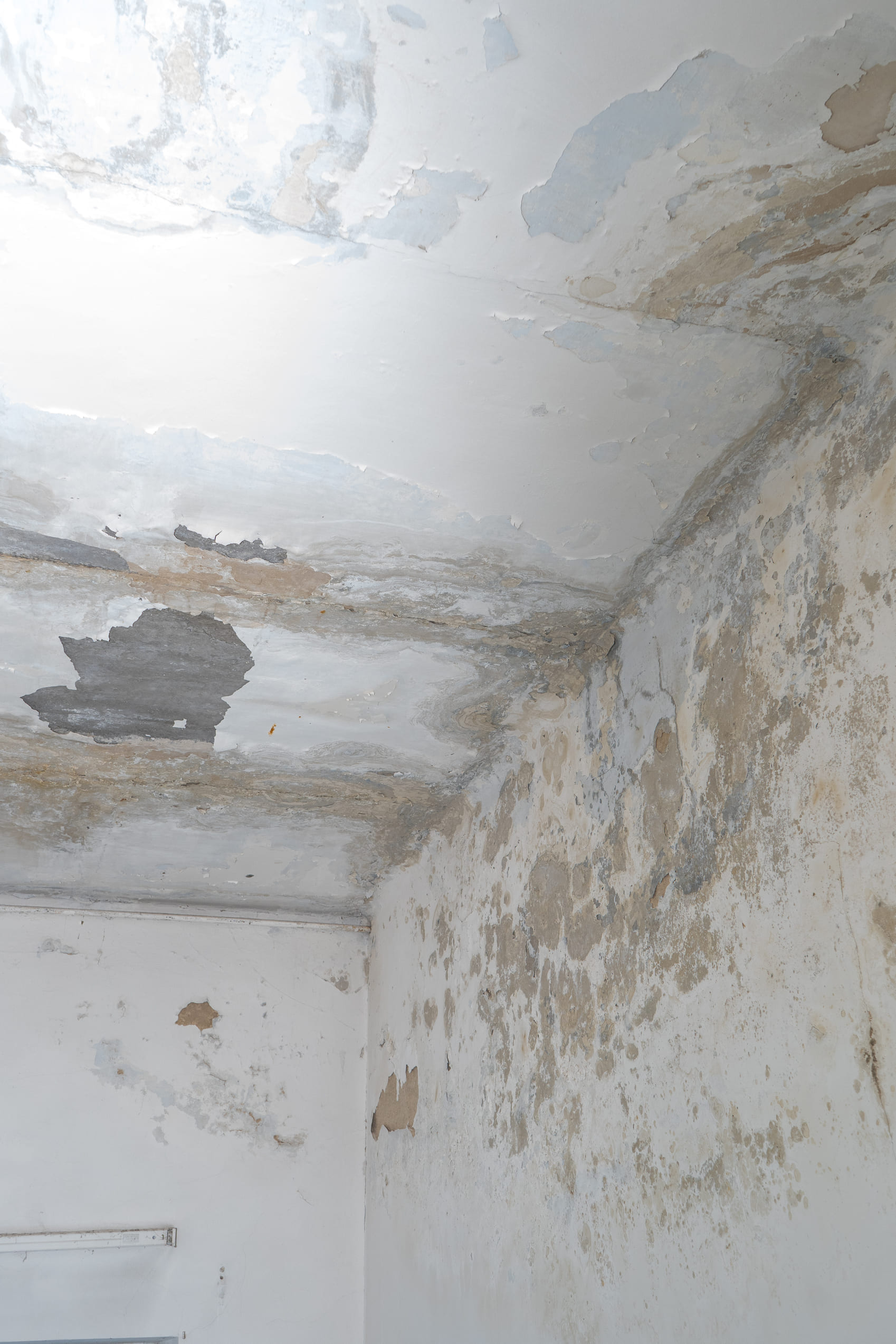
How to get mould off the ceiling by understanding why it appears
Before learning how to get mould off the ceiling, it is essential to understand what causes it. Warm air inside the home rises and carries moisture with it. When this moisture reaches a cold ceiling surface, condensation forms, creating ideal conditions for mould growth.
Common causes of mould on ceilings include:
• poor ventilation in bathrooms and bedrooms
• steam from showers and cooking
• high indoor humidity
• cold ceilings or poor insulation
• leaks above the ceiling
Removing visible mould without addressing these issues often leads to repeat growth. Understanding how to get mould off the ceiling properly means solving the moisture problem first.
How to get mould off the ceiling safely
When dealing with ceiling mould, safety should always come first. Learning how to get mould off the ceiling involves careful handling, as mould spores can easily spread through the air.
A basic safe approach may include:
• ventilating the room thoroughly
• wearing protective gloves and a face mask
• using suitable mould cleaning products
• cleaning gently to avoid spreading spores
Even if the ceiling looks clean afterwards, mould may still be present beneath the surface. This is why cleaning alone is rarely a long term solution. If mould returns, the safest option is to request a free mould inspection.
The consequences of mould on your ceiling
Understanding how to get mould off the ceiling is important because ceiling mould can have serious consequences. As spores circulate through the room, they can affect indoor air quality and health.
Possible consequences of ceiling mould include:
• breathing difficulties
• allergic reactions
• headaches and fatigue
• worsening asthma symptoms
• damage to ceilings and plaster
In rooms where people spend a lot of time, such as bedrooms, these effects can become more severe. Over time, mould can weaken ceiling materials and lead to expensive repairs.
How to get mould off the ceiling by understanding why it appears
Before learning how to get mould off the ceiling, it is essential to understand what causes it. Warm air inside the home rises and carries moisture with it. When this moisture reaches a cold ceiling surface, condensation forms, creating ideal conditions for mould growth.
Common causes of mould on ceilings include:
• poor ventilation in bathrooms and bedrooms
• steam from showers and cooking
• high indoor humidity
• cold ceilings or poor insulation
• leaks above the ceiling
Removing visible mould without addressing these issues often leads to repeat growth. Understanding how to get mould off the ceiling properly means solving the moisture problem first.
How to get mould off the ceiling safely
When dealing with ceiling mould, safety should always come first. Learning how to get mould off the ceiling involves careful handling, as mould spores can easily spread through the air.
A basic safe approach may include:
• ventilating the room thoroughly
• wearing protective gloves and a face mask
• using suitable mould cleaning products
• cleaning gently to avoid spreading spores
Even if the ceiling looks clean afterwards, mould may still be present beneath the surface. This is why cleaning alone is rarely a long term solution. If mould returns, the safest option is to request a free mould inspection.
The consequences of mould on your ceiling
Understanding how to get mould off the ceiling is important because ceiling mould can have serious consequences. As spores circulate through the room, they can affect indoor air quality and health.
Possible consequences of ceiling mould include:
• breathing difficulties
• allergic reactions
• headaches and fatigue
• worsening asthma symptoms
• damage to ceilings and plaster
In rooms where people spend a lot of time, such as bedrooms, these effects can become more severe. Over time, mould can weaken ceiling materials and lead to expensive repairs.
How Intra Air helps to get mould off the ceiling permanently
Intra Air specialises in professional mould removal and prevention across the UK. Their approach focuses on identifying and resolving the root cause of mould, not just removing visible patches. This is essential when learning how to get mould off the ceiling for lasting results.
The process starts with a detailed inspection and moisture assessment. Mould is removed using safe and effective techniques that prevent spores from spreading. Intra Air also improves ventilation and indoor air quality, reducing the risk of mould returning.
If you want expert advice or support, you can easily contact the Intra Air team for professional guidance tailored to your ceiling mould issue.
Take action today to get mould off your ceiling
Ceiling mould should never be ignored. Learning how to get mould off the ceiling starts with understanding the cause and choosing the right solution. DIY cleaning may offer short term improvement, but it rarely prevents mould from coming back.
With professional support from Intra Air, mould can be removed safely and prevented for the long term. Protect your health, your home and your indoor air quality.
Do not wait until the problem gets worse. Request a free mould inspection today and take the first step towards a cleaner and healthier home.