Blog
How to stop bathroom ceiling mould?
How to stop bathroom ceiling mould
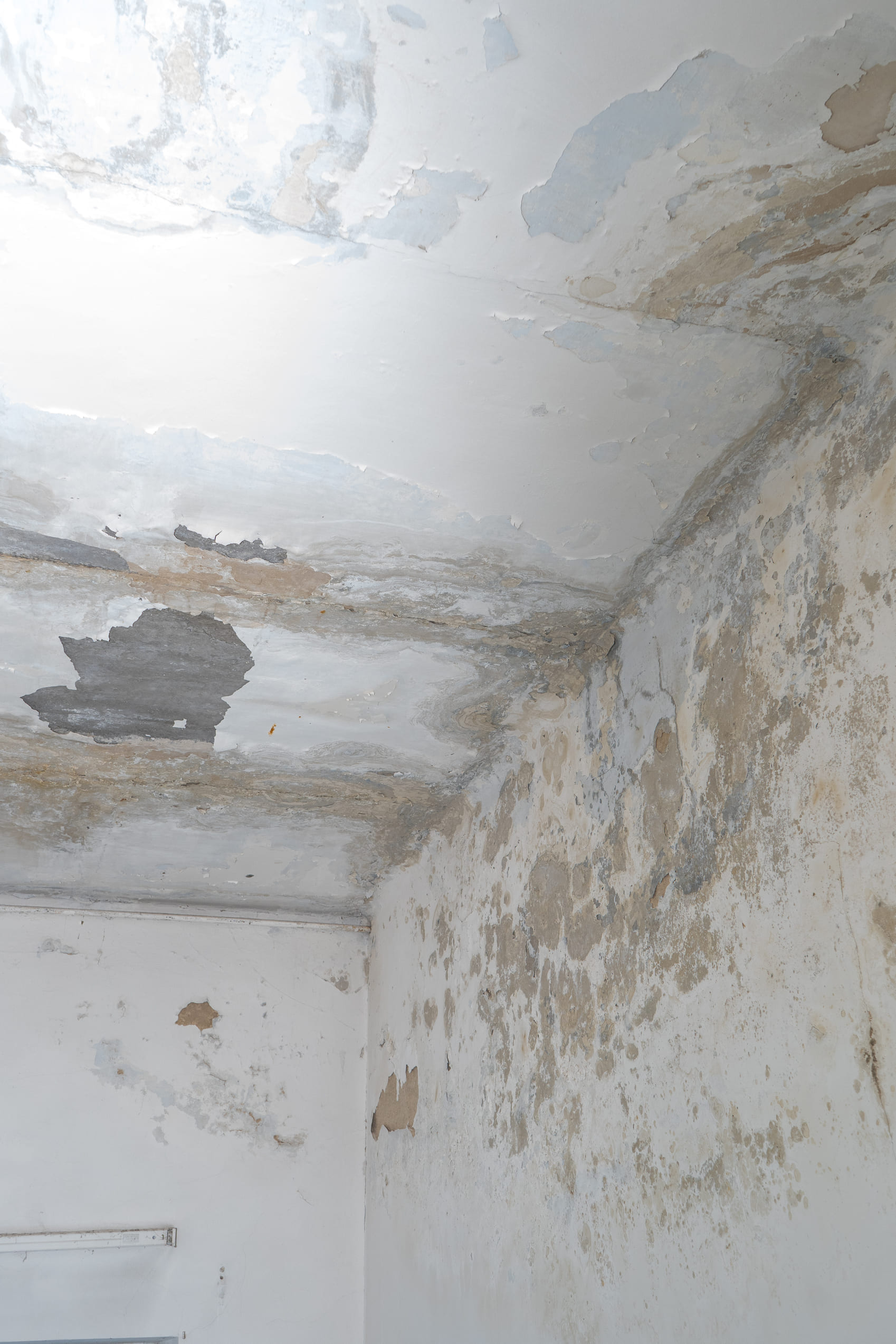
Bathroom ceiling mould is a frequent issue in homes where humidity levels regularly rise. Bathrooms naturally produce large amounts of steam from showers and baths. Because warm air rises, it collects at ceiling level. When that warm, moist air meets a cooler ceiling surface, condensation forms. If this moisture is not removed efficiently, mould spores settle and begin to grow.
At first, mould may appear as small dark spots in corners or above the shower area. Over time, it can spread across painted surfaces, stain plaster, and negatively affect indoor air quality. Simply wiping it away may provide temporary improvement, but without proper prevention measures, it will return.
Stopping bathroom ceiling mould requires a combination of ventilation, moisture control, insulation awareness, and consistent maintenance.
The best methods to prevent bathroom ceiling mould
The most effective way to prevent bathroom ceiling mould is to control humidity at its source. Ventilation is the single most important factor. An extractor fan should always be used during showers and baths, and it should remain running for at least fifteen to twenty minutes after use. Many bathrooms have fans that are either too weak or not used consistently. If condensation continues to build up despite using the fan, upgrading to a more powerful unit may be necessary.
Natural ventilation also plays a valuable role. Opening a window, even briefly, allows humid air to escape and fresh air to enter. Short, regular ventilation periods are more effective than leaving a window slightly open all day. Keeping the bathroom door open after showering also helps moisture disperse into larger, better ventilated areas.
Maintaining a steady indoor temperature reduces condensation risk. When heating is inconsistent, ceiling surfaces cool down, making condensation more likely when steam rises. A stable background temperature keeps surfaces warmer and limits moisture buildup. Proper insulation above the bathroom ceiling can further reduce cold spots that attract condensation.
Daily habits also contribute to prevention. Wipe down shower screens, tiles, and mirrors after use to remove excess moisture from the room. Avoid drying towels or clothing in the bathroom, as this significantly increases humidity levels. Using a hygrometer allows you to monitor moisture levels and ensure they remain between 40 and 60 percent.
In properties where humidity remains high, a dehumidifier can provide additional support. When used alongside proper ventilation, it helps maintain balanced indoor conditions that discourage mould growth.
After treating any existing mould, applying mould resistant primer and ceiling paint can provide added protection. These coatings help reduce the likelihood of regrowth, but they are only effective when moisture control is already in place.
Common questions and solutions
Why does bathroom ceiling mould keep coming back?
Mould returns because the underlying cause has not been resolved. Cleaning removes visible marks, but if steam continues to condense on the ceiling, mould spores will grow again. Persistent recurrence usually points to insufficient ventilation, high humidity, or poor insulation.
Is bleach enough to remove ceiling mould?
Bleach may lighten staining, but it does not always eliminate mould at the root, especially on porous surfaces like plaster. Specialist mould treatments are generally more effective. However, even the best cleaning product will fail if moisture control is not addressed.
How can I tell if ventilation is inadequate?
Signs of poor ventilation include lingering steam after showers, condensation forming on mirrors and walls for extended periods, and recurring mould despite regular cleaning. If the extractor fan does not noticeably reduce moisture, it may require maintenance or replacement.
Does insulation really make a difference?
Yes. Poor insulation keeps ceiling surfaces colder, which increases condensation. Improving insulation above the bathroom ceiling helps maintain a more stable surface temperature and reduces moisture buildup.
When should I seek professional help?
If mould covers a large portion of the ceiling, spreads quickly, or continues returning despite improved ventilation and cleaning efforts, there may be a deeper issue such as hidden leaks or structural concerns. Professional assessment can identify problems that are not immediately visible.
Bathroom ceiling mould is not simply a cosmetic problem. It is a clear signal that moisture levels are not being managed effectively. Long term prevention depends on consistent ventilation, humidity monitoring, temperature stability, and proactive maintenance.
If mould continues to be a problem despite taking these steps, contact Intra Air for professional guidance and long term ventilation solutions.
<strong>Want to remove mould immediatley? We always respond in 24 hours. </strong>
Request a free quote now or call:<a href=”tel:+44 1332 480537″> +44 1332 480537 </a>