Blog
How to stop mould from growing back?
How to stop mould from growing back?
Mould is not just a cosmetic issue. It affects indoor air quality, damages building materials, and can quickly return if not handled correctly. Many homeowners clean visible mould, only to find it reappearing weeks later. To stop mould from growing back permanently, you must take a structured approach that focuses on moisture control, proper treatment, and long term prevention.
Below, we explain the essential steps to prevent mould from returning.
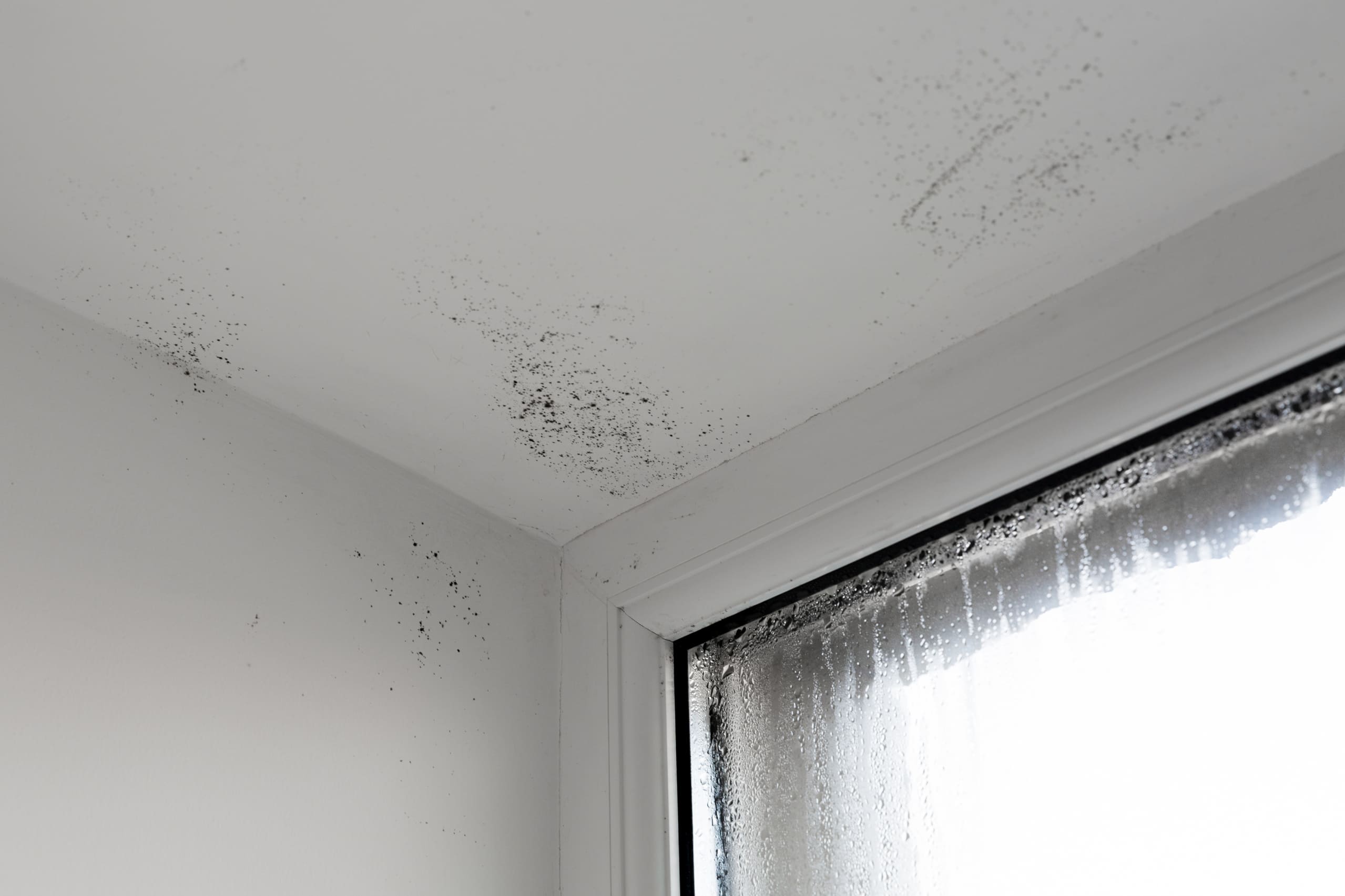
Find the root cause
Mould cannot grow without moisture. If it keeps coming back, there is always an underlying damp issue that has not been resolved. Removing surface stains without fixing the source will only provide temporary results.
Common causes of recurring mould include poor ventilation in bathrooms and kitchens, condensation on cold external walls, leaking pipes, roof damage, blocked gutters, or rising damp from the ground. Condensation is especially common in properties with insufficient airflow and high humidity levels.
Start by inspecting the affected area carefully. Look for damp patches, peeling paint, musty smells, or cold surfaces. Pay attention to areas behind furniture, around window frames, and along ceiling corners. In some cases, a moisture meter or professional damp survey may be necessary to identify hidden water ingress within walls or floors.
Until the moisture source is identified and addressed, mould will continue to return.
Fixing the root cause
Once you have identified the source of moisture, corrective action must follow immediately. The solution depends entirely on the cause.
If condensation is the issue, improving ventilation should be the priority. Install or upgrade extractor fans in bathrooms and kitchens. Ensure that vents are open and functioning correctly. Consider installing a positive input ventilation system to improve airflow throughout the property. A dehumidifier can also help reduce indoor humidity levels in problem areas.
If leaks are present, repair damaged roof tiles, fix leaking pipes, and clear blocked gutters. Reseal bathroom joints and check window seals. For penetrating damp, repoint brickwork or apply appropriate exterior waterproof coatings.
For rising damp, professional installation or repair of a damp proof course may be required.
After structural issues have been resolved and the surface is fully dry, applying mould resistant paints or anti condensation coatings can provide an additional layer of protection. These specialist products help reduce surface moisture retention and make it harder for mould to establish again. However, they should only be applied once the underlying moisture problem has been fully resolved.Products support prevention, but moisture control remains the most important factor.
Kill the mould roots
Surface cleaning alone is not enough to eliminate mould permanently. Mould penetrates porous materials such as plaster, paint, and timber. Wiping away visible growth often leaves spores embedded beneath the surface.
To properly treat mould affected areas, follow these steps:
Wear appropriate protective equipment including gloves and a suitable mask.
Use a professional mould removal treatment designed to kill spores at the root. Standard household bleach may lighten stains, but it does not always destroy deeper growth.
Apply the treatment thoroughly and allow it to dwell according to the manufacturer instructions.
Gently scrub if required and remove residue.
Allow the surface to dry completely before repainting or redecorating.
In more severe cases, damaged plasterboard or insulation may need to be removed and replaced. If contaminated materials remain damp internally, mould can continue to grow unseen behind surfaces.Complete drying is essential before any finishing work begins.
Change household habits
Even after repairs and treatment, everyday habits play a major role in preventing mould from returning. High indoor humidity levels are one of the most common causes of recurring growth.
Open windows regularly to improve natural airflow. Always use extractor fans during cooking and showering, and leave them running for a short period afterwards. Avoid drying clothes indoors unless proper ventilation or a dehumidifier is used. Maintain consistent background heating during colder months to prevent cold surfaces where condensation forms.
Indoor humidity should ideally remain between 40 and 60 percent. Using a hygrometer allows you to monitor moisture levels and react early if they rise too high.
Furniture should not be placed tightly against external walls, as restricted airflow can create cold spots and encourage condensation. Leaving a small gap helps air circulate and reduces risk.
Stopping mould from growing back requires more than surface cleaning. It involves identifying moisture sources, carrying out necessary repairs, treating affected areas thoroughly, and maintaining balanced indoor humidity. When these steps are followed carefully, long term mould prevention becomes achievable and indoor air quality improves significantly.
Want to remove mould immediatley? We always respond in 24 hours.
Request a free quote now or call: +44 1332 480537