Blog
How to stop mould in house and protect your living space
How to stop mould in house and protect your living space
Mould in the home is a common problem in the United Kingdom. Many homeowners notice black spots on walls, musty smells or damp patches and do not realise how quickly mould can spread. Learning how to stop mould in house is essential to protect your health, your property and your comfort.
In this blog, we explain how mould starts, how to deal with it properly and why professional help is often the safest solution. If you suspect mould in your home, now is the right moment to free mold inspection aanvragen.
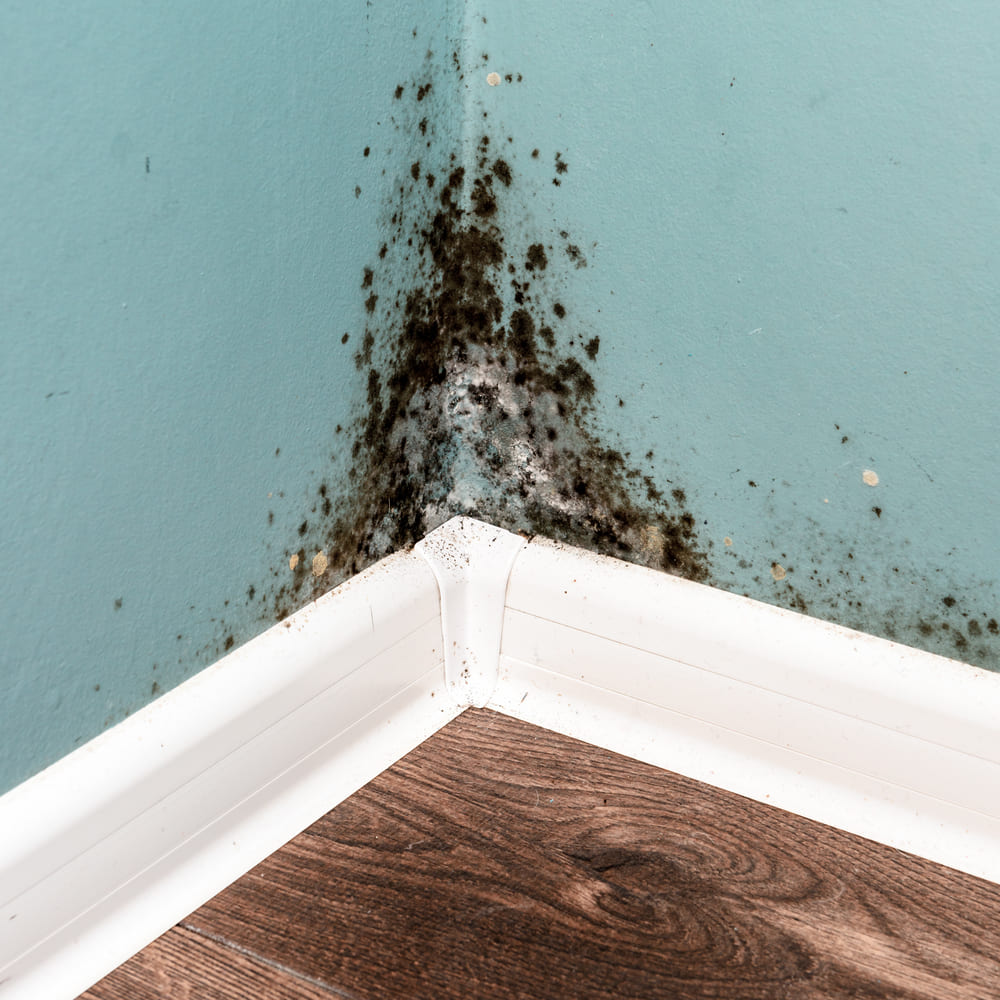
How to stop mould in house by understanding the cause
To fully understand how to stop mould in house, you first need to know why it appears. Mould thrives in damp environments with limited airflow. Moisture is the main trigger, especially when it cannot escape.
Common causes of mould inside a house include:
• poor ventilation in living spaces
• condensation on walls and windows
• high indoor humidity
• leaking pipes or damp walls
• drying laundry indoors
Many homeowners try to clean mould using household products. While this may remove visible marks, it does not solve the underlying issue. Mould often returns because the moisture problem remains. Learning how to stop mould in house means tackling the source, not just the symptoms.
How to stop mould in house the right way
Stopping mould permanently requires a structured and careful approach. Simply repainting walls or wiping surfaces is rarely effective. The first step in how to stop mould in house is a proper inspection to identify hidden moisture and airflow issues.
An effective long term solution may involve:
• improving ventilation systems
• reducing indoor humidity
• repairing leaks and damp areas
• treating affected surfaces safely
Without professional guidance, mould can continue to grow behind walls or under floors. This is why many homeowners choose to request a free mould inspection before the problem escalates.
The consequences of mould in your house
Understanding how to stop mould in house is crucial because mould can have serious consequences for both health and property. Mould spores spread through the air and are easily inhaled, especially in enclosed living areas.
Possible effects of mould in a house include:
• breathing difficulties
• allergic reactions
• headaches and fatigue
• worsening asthma symptoms
• damage to walls, ceilings and furniture
Children, elderly residents and people with respiratory conditions are especially vulnerable. Over time, untreated mould can weaken building materials and lower the value of your home. Acting early and learning how to stop mould in house can prevent these long term issues.
How Intra Air helps to stop mould in house permanently
Intra Air is a trusted specialist in mould removal and prevention across the UK. Their expert team focuses on finding the root cause of mould, not just removing what is visible. This approach is key when it comes to how to stop mould in house for the long term.
The process starts with a detailed inspection and moisture assessment. Mould is then removed safely using professional techniques that prevent spores from spreading. Intra Air also improves airflow and indoor air quality, ensuring mould does not return.
By addressing ventilation and humidity, Intra Air provides a lasting solution rather than a temporary fix. If you want clarity about the condition of your home, now is the right time to request a free mould inspection.
Take action today to stop mould in your house
Mould problems rarely disappear on their own. Learning how to stop mould in house means taking action before the damage spreads further. DIY solutions often fall short because they do not address moisture and airflow issues.
With professional support from Intra Air, mould can be removed safely and prevented in the future. Protect your health, your home and your comfort.
Do not wait until mould becomes a serious risk. Request a free mould inspection today and take the first step towards a healthier living environment.