Industrial drying: removing excess moisture from your property fast
Whether caused by flooding, a burst pipe, a leak or prolonged damp, excess moisture within walls, floors and building structures needs to be extracted quickly to prevent long-term damage and mould growth. Using professional-grade industrial dehumidifiers, we extract moisture at depth, protect your property and create the right conditions for any follow-up repair work.
Speak to a specialist today
We will be in touch within the hour during business hours. No obligation whatsoever.
What is industrial drying?
Industrial drying is the professional extraction of excess moisture from a property following water damage, flooding or prolonged damp. It uses commercial-grade dehumidifiers that are significantly more powerful than domestic units, capable of extracting large volumes of moisture from building materials including plaster, masonry, timber flooring and concrete. When a property is affected by water damage, moisture penetrates deeply into the building structure. If not properly extracted, this moisture creates the conditions for mould growth, structural deterioration and persistent damp problems. Simply allowing a property to dry naturally is rarely sufficient, particularly in colder months when evaporation is slow. Our industrial drying service extracts moisture at depth, monitors progress and ensures the building materials reach acceptable moisture levels before any repair or redecoration work begins.
When is industrial drying needed?
Following flooding from external water ingress or overflowing drainage
After a burst pipe or plumbing failure has caused water damage within walls or floors
Following a roof or window leak that has resulted in moisture accumulation within the building structure
Where prolonged damp has resulted in elevated moisture levels within walls and floors
As preparation before damp treatment, replastering or redecoration to ensure surfaces are properly dried
In empty properties where moisture has accumulated over a period of time
How does our industrial drying service work?
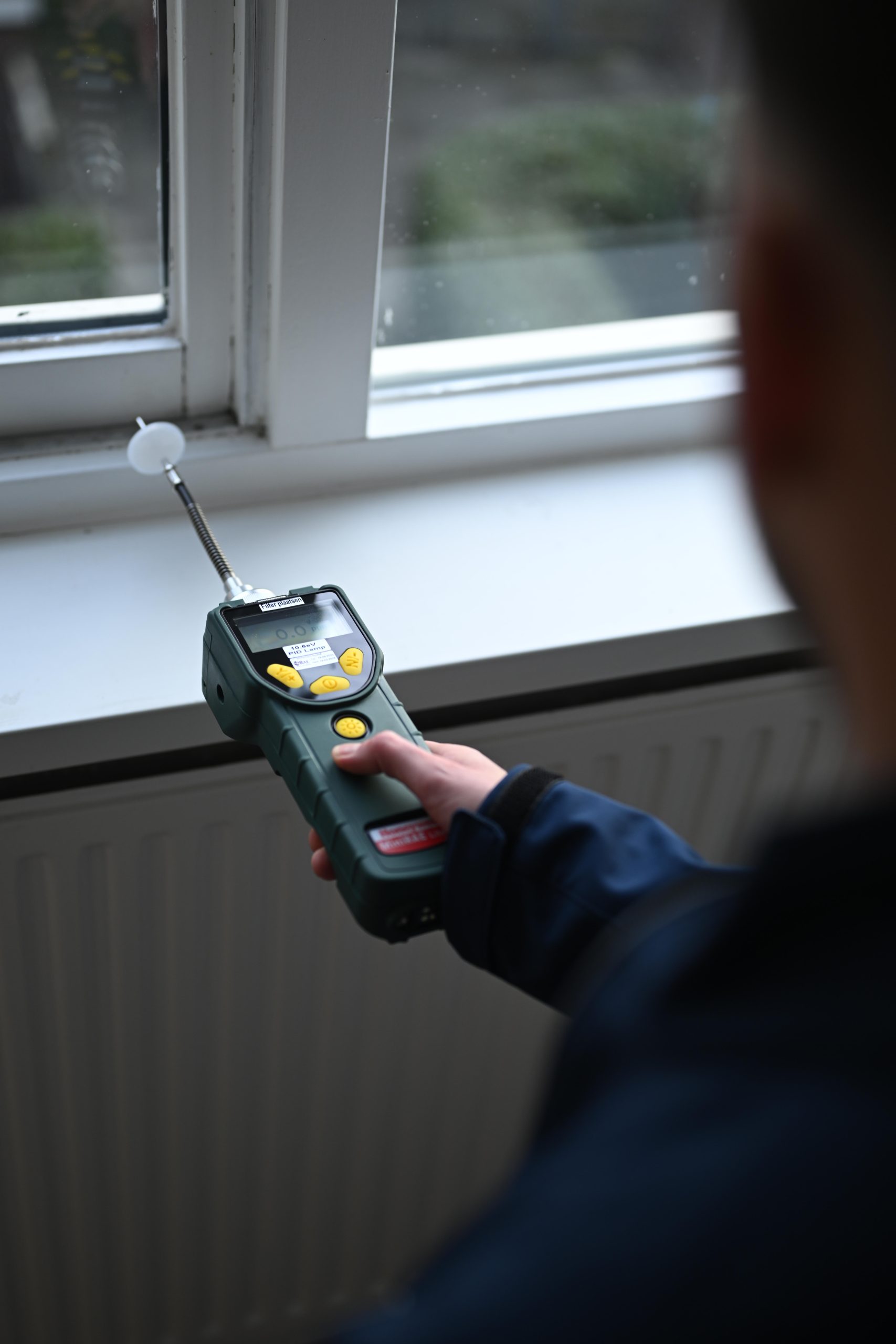
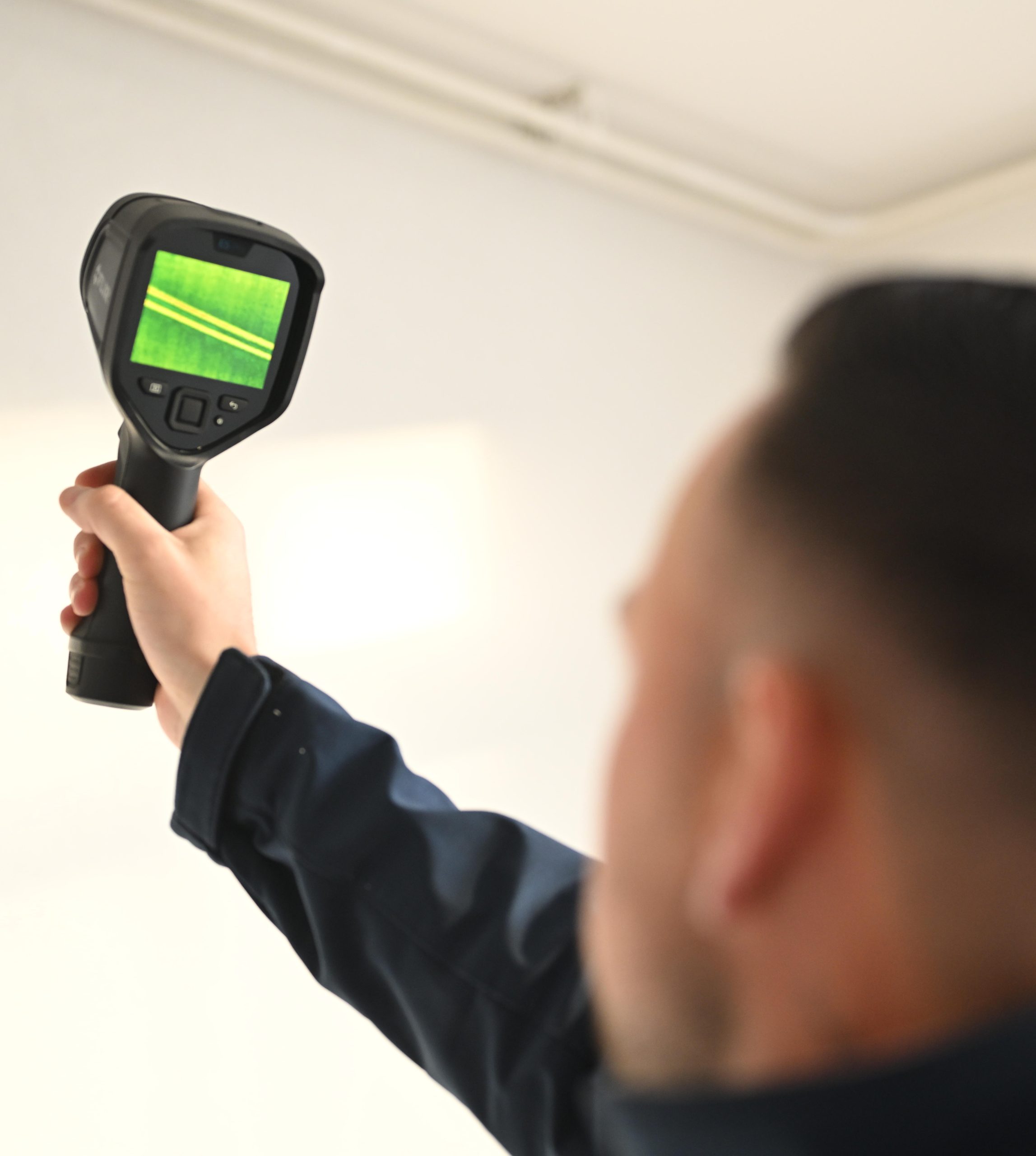
We begin with a moisture assessment to establish baseline moisture levels throughout the affected areas. This gives us an accurate picture of the extent of moisture penetration and allows us to monitor progress throughout the drying process. We position our industrial dehumidifiers strategically to maximise moisture extraction from all affected areas. We take regular readings to track the drying progress and adjust equipment placement as needed. We continue the drying process until moisture levels within the building materials have reached acceptable levels for the follow-up work planned, whether that is damp treatment, replastering or redecoration. We provide a final moisture reading report confirming the drying outcome.
Why choose Intra Air for industrial drying?
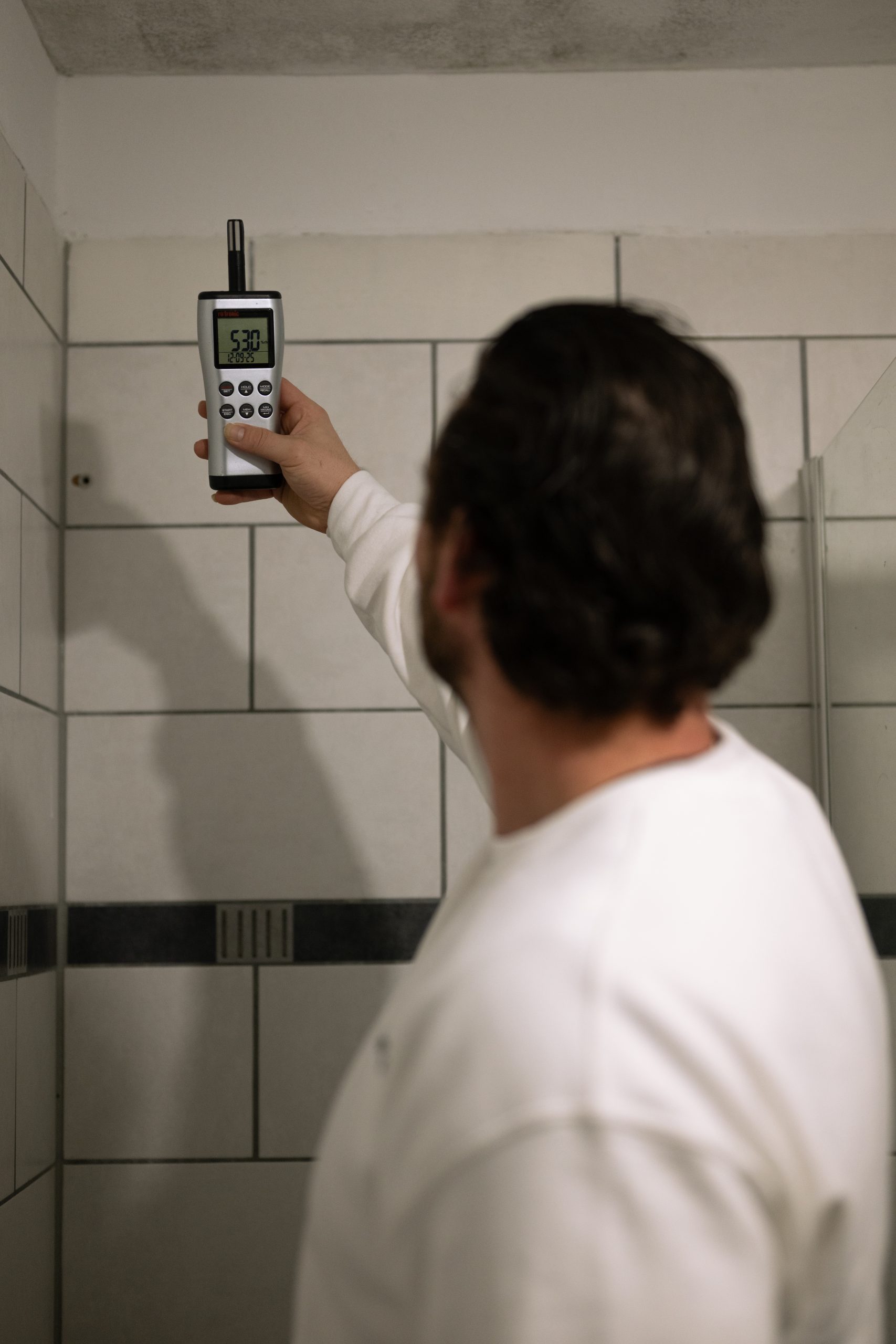
The difference between industrial drying done properly and done poorly is measurement. Without baseline and ongoing moisture readings, there is no way to know whether the building materials have actually dried to an acceptable level or whether the drying process is complete. We monitor throughout, provide documented moisture readings, and do not consider the job done until the numbers confirm it. This protects you from the risk of redecoration or repair work carried out on materials that are still too wet, which leads to further problems down the line.
- Commercial-grade industrial dehumidifiers for effective deep drying
- Regular moisture monitoring throughout the process
- Final moisture report confirming drying outcome
Landlords and property managers: fast drying minimises damage and disruption
When water damage occurs in a rental property, acting quickly to dry the structure properly minimises long-term damage, reduces the risk of mould developing and shortens the period during which the property may be uninhabitable. We work efficiently, communicate clearly throughout the process, and provide documented moisture readings that support any subsequent insurance claims or repair work.
Frequently Asked Questions
The duration depends on the extent of moisture penetration and the building materials involved. Drying can take anywhere from a few days to several weeks in more severe cases. We will give you a realistic timeframe based on our initial moisture assessment and monitor progress throughout.
In most cases yes. The equipment is operational but not disruptive to daily life. We will advise on any specific considerations based on your property and situation.
Yes, almost always. Carrying out mould treatment or applying new plaster over materials that are still moisture-laden is ineffective and will lead to recurring problems. Proper drying is an essential step in the remediation process.
Ready to solve the problem for good?
Whether it is mould, damp, odours, ventilation or air quality, we are here to help. Get in touch today and we will assess your situation, explain your options clearly, and give you a solution that lasts.