Blog
Moisture problem in the house
Moisture problem in the house: discover the cause and solution
Dampness in your home isn’t just a nuisance; it can also have serious consequences for your health and home. From mould spots on walls to a musty odour and allergy symptoms, a damp problem often goes unnoticed. Addressing dampness in your home promptly prevents damage and ensures a healthier indoor climate.
Schedule an indoor environmental assessment now and receive a personalised advice report.
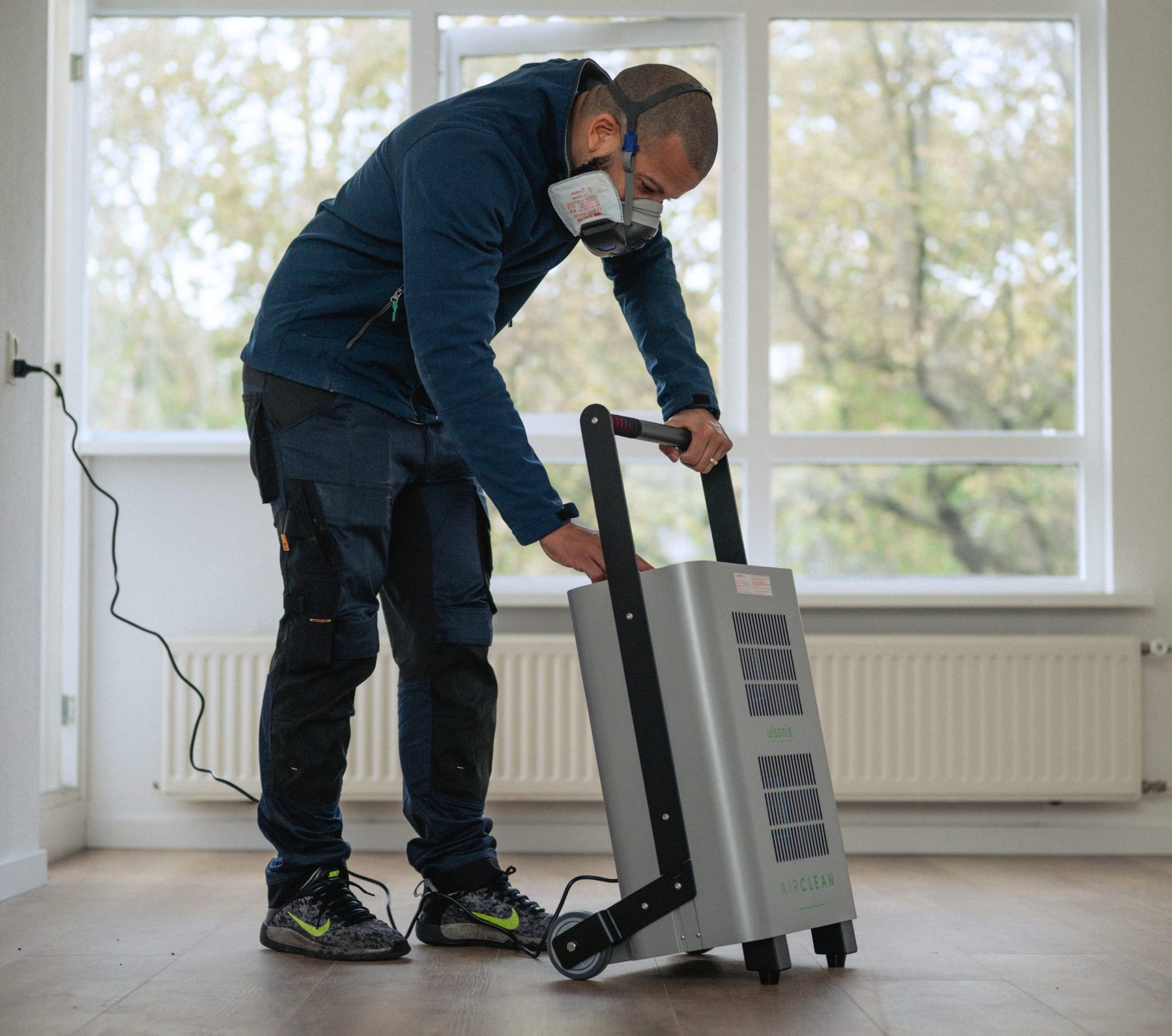
What can you do about damp in your home?
A damp problem requires a targeted approach. First, it’s important to determine the cause. This could be due to poor ventilation, rising damp from the foundation, or a leak. Once the source of the problem is clear, a solution can be chosen.
Possible measures include improving ventilation, sealing cracks or gaps, and repairing structural defects. Sometimes professional assistance is needed to completely resolve the problem and prevent recurrence.
Are you experiencing moisture problems? Have a mould test performed and discover the source of the problem.
How do you recognize moisture in your home?
A damp problem in your home isn’t always immediately visible, but there are clear signs you can look out for. Recognizing these signs early prevents the problem from escalating and causing damage to your home or health.
Please note the following instructions:
- Musty, damp smell in the house
- Condensation on windows and cold surfaces
- Clammy, cold walls or floors
- Mold spots on walls, ceilings or in corners
- Peeling wallpaper or paint and discolored walls
- Visible moisture spots or circles
Recognize these signs? Request a mould test and receive tailored advice.
What are the consequences of moisture in the home?
A damp problem affects both your home and your health. Dampness damages materials, causes mould, and can lead to wood rot. This not only reduces your comfort but can also significantly increase the cost of repairs.
In addition, high humidity affects health. Many people experience symptoms such as shortness of breath, allergies, and skin irritation in a humid environment. Mould spores can be particularly burdensome for children and people with respiratory problems.
Prevent damage and health problems with an indoor environment assessment and receive a customized solution.
What causes moisture in the house?
Damp problems can have several causes. Poor ventilation is one of the most common. If moist air can’t escape, it remains inside the house and condenses on cold surfaces.
Rising damp from the foundation, leaks in the roof or walls, and thermal bridges are also common causes. Often, a combination of structural defects and lifestyle habits perpetuates a damp problem.
Discover the cause of moisture problems with an indoor environment assessment and receive practical solutions.
How can you prevent moisture in your home?
Prevention is better than cure. Good ventilation is essential to remove moist air. Keep ventilation grilles open and use mechanical ventilation or a ventilation system where possible.
Additionally, it helps to use an extractor hood or fan while cooking and showering, and to keep your home properly heated. Regularly check for small leaks and repair them immediately to prevent larger problems.
Prevent moisture problems and have an indoor environment study carried out for tailor-made advice.
Have your moisture problem professionally analysed
Are you curious about the source of moisture in your home and how to solve it? An indoor environmental assessment will provide insight into the causes of an unhealthy indoor climate, while a supplementary mould assessment will clarify whether mold is a factor in your situation. This way, you’ll receive comprehensive advice on effectively addressing moisture problems and mould growth.