Blog
What causes mould on ceilings
What causes mould on ceilings and how to prevent it
Mould on ceilings is a common problem in many UK homes and often appears in rooms where moisture builds up unnoticed. Dark patches, stains or a musty smell are usually the first signs. Understanding what causes mould on ceilings is the key to preventing it and protecting both your health and your home.
In this blog, we explain the main causes of ceiling mould, the risks it can create and how professional treatment can stop it from returning. If you are unsure about mould on your ceiling, it is wise to request a free mould inspection.
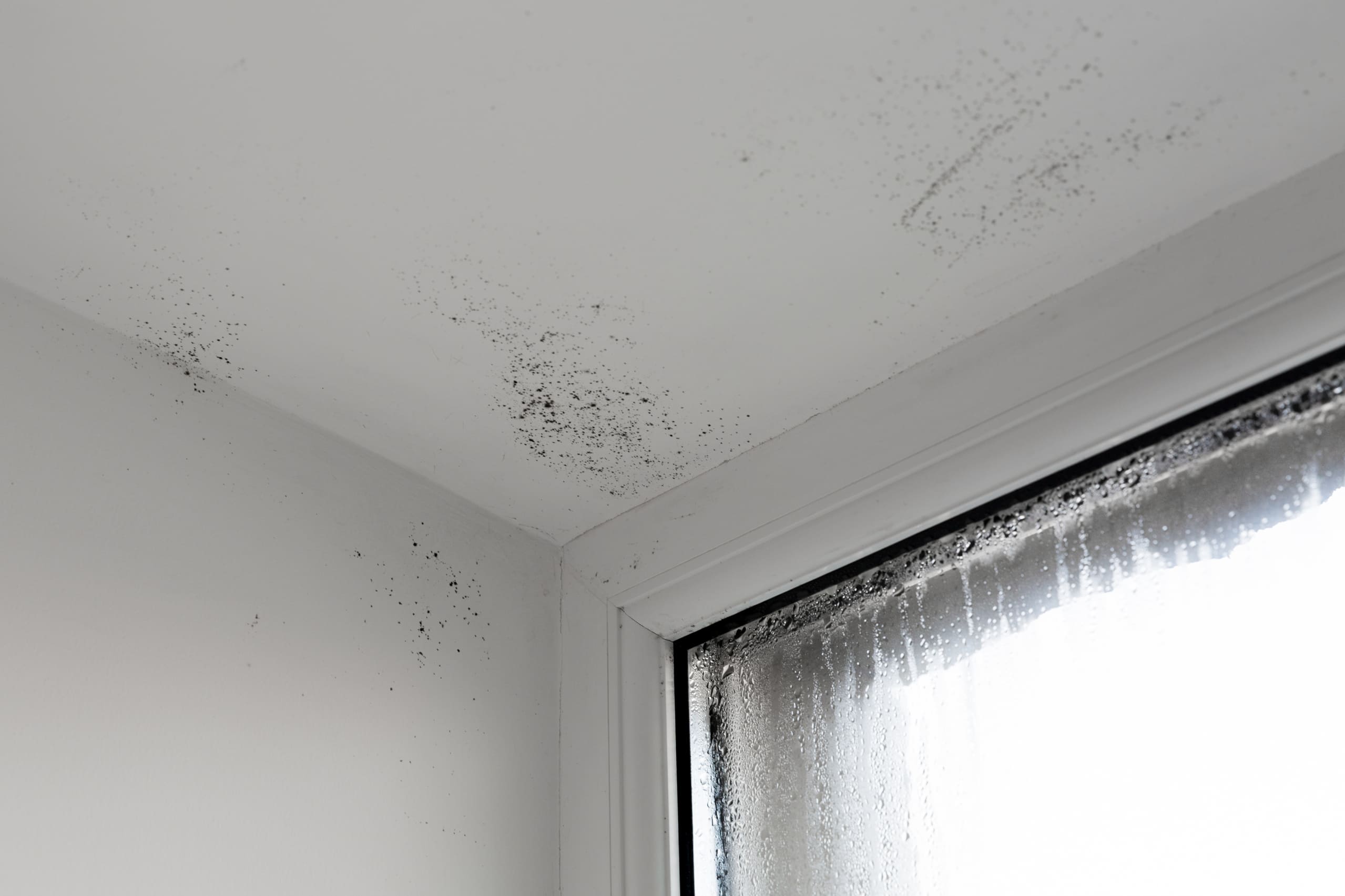
What causes mould on ceilings in homes
To fully understand what causes mould on ceilings, it helps to look at how moisture behaves indoors. Warm air rises and carries moisture with it. When this air meets a cold ceiling surface, condensation forms, creating the ideal environment for mould growth.
Common causes of mould on ceilings include:
• poor ventilation in bathrooms and bedrooms
• steam from showers and cooking
• high indoor humidity levels
• cold ceilings or poor insulation
• leaks from roofs or pipework
Ceiling mould often develops slowly and can go unnoticed for some time. Simply cleaning the surface does not remove the underlying cause.
What causes mould on ceilings in specific rooms
Different rooms are affected in different ways. Bathrooms are one of the most common areas because of frequent steam and limited airflow. Bedrooms can also develop ceiling mould due to overnight humidity from breathing and closed windows.
Kitchens, living rooms and hallways may develop mould when moisture travels through the home and settles on colder ceiling areas. Understanding what causes mould on ceilings in each room helps prevent it from spreading further.
The risks of mould on ceilings
Knowing what causes mould on ceilings is important because ceiling mould can affect both health and property. Mould releases spores into the air, which are easily inhaled.
Possible risks of ceiling mould include:
• breathing problems
• allergic reactions
• headaches and fatigue
• worsening asthma symptoms
• damage to ceilings, paint and plaster
If left untreated, mould can spread to walls and other surfaces, leading to more extensive damage and higher repair costs.
How Intra Air deals with mould on ceilings permanently
Intra Air provides professional mould removal and prevention services across the UK. Their approach focuses on identifying the root cause of mould rather than offering temporary surface treatments. This is essential when dealing with ceiling mould.
The process begins with a detailed inspection and moisture assessment. Mould is removed using safe and effective techniques that prevent spores from spreading. Intra Air also improves ventilation and indoor air quality, reducing the likelihood of mould returning.
If you want expert advice or support, you can easily contact the Intra Air team for professional guidance tailored to your home.
Take action if you have mould on your ceiling
Mould on ceilings should never be ignored. Understanding what causes mould on ceilings is the first step towards a long term solution. DIY cleaning may improve appearance temporarily, but it rarely prevents mould from coming back.
With professional support from Intra Air, ceiling mould can be removed safely and prevented for the future. Protect your health, your home and your indoor air quality.
Do not wait until the problem spreads further. Request a free mould inspection today and take the first step towards a cleaner and healthier home.
Want to remove mould immediatley? We always respond in 24 hours.
Request a free quote now or call: +44 1332 480537